
The Journal
Notes on writing, publishing, and finishing.
Hard-won craft on writing, publishing, and actually finishing your book, from authors who do the work.
See all tool comparisons
 Feedback & Revision
How to End a Novel: Endings That Feel Earned
To end a novel well, answer the book's central question or deliberately reframe it, let the protagonist's own choice cause the climax, and pay off the promises the opening and the genre made. Then…
 Feedback & Revision
How to Write a Plot Twist Readers Won't See Coming
To write a plot twist, decide the reveal first, then work backward: list every fact the reader must have seen for the reveal to make sense, and plant each one earlier in the book with an innocent e…

 Feedback & Revision
Adverbs in Fiction: Which to Cut and Which to Keep
Adverbs are not bad in fiction. A few kinds are weak: the ones that repeat what the verb already says "whispered quietly", the ones propping up a vague verb "walked slowly", and the ones stuck to d…
 Feedback & Revision
How to Make Characters Sound Different in Dialogue
To make characters sound different, change what drives their speech, not only its surface. Give each speaker their own vocabulary, sentence length, subjects they return to, subjects they avoid, and…
 Feedback & Revision
How to Keep a Consistent Tone in a Novel
To keep a consistent tone in a novel, decide what the book's attitude towards its story is, write it down in a few words, and then check the whole manuscript against that baseline in revision. Tone…
 Feedback & Revision
Foreshadowing in Writing: How to Plant It and Pay It Off
Foreshadowing in writing is a hint, planted early, about something that happens later. It works when the reader either half notices it and feels the dread build, or misses it and recognizes it at t…
 Feedback & Revision
How to Change a Character's Name in a Novel
To change a character's name in a novel, list every form the old name takes: full name, first name, surname, possessives, nicknames and initials. Back up the file, then replace each form separately…

 Self-Publishing
How to Cite Sources in a Nonfiction Book
To cite sources in a nonfiction book, pick one notes system and use it throughout. For most trade nonfiction that means endnotes in Chicago notes-bibliography style, either numbered or keyed to a p…

 Feedback & Revision
How to End a Chapter: 7 Ending Types and When Each Works
To end a chapter well, stop at a point that leaves the reader with something open: a question, a danger, a decision not yet made, or a feeling that has not settled. Then check that the ending belon…
 Feedback & Revision
How to Find the Theme of Your Novel in a Finished Draft
To find the theme of your novel, look at what your draft keeps asking, not at what you meant it to say. List your scenes, note the question each one raises, find the concern that recurs most often,…
 Feedback & Revision
How to Start a Writing Critique Group: Rules and Tools
To start a writing critique group, decide five things before you invite anyone: how many members four to six is a workable range, what kind of writing you will read, whether you meet in person, by…
 Feedback & Revision
How to Structure a Nonfiction Book (With an Outline Test)
To structure a non-fiction book, start from the one question your reader brings and the answer you promise. Pick the structure that delivers that answer in the order the reader needs it: through ti…
 Feedback & Revision
On the Nose Dialogue: Examples, Fixes and Subtext
On the nose dialogue is a line where a character says exactly what they think, feel or want, in words no real person under pressure would choose. "I'm angry because you never listen to me" is on th…
 Feedback & Revision
Passive Voice in Fiction: When to Keep It, When to Cut
Passive voice in fiction is fine when the doer of an action is unknown, unimportant, or deliberately hidden, and when you want the reader's eye on the person or thing the action happens to. It weak…
 Feedback & Revision
Show Don't Tell: Examples, Patterns and When to Tell
"Show, don't tell" means giving the reader the evidence and letting them reach the conclusion. Telling hands over the conclusion directly: "she was nervous." Showing gives the reader what a person…
 Self-Publishing
Standard Manuscript Format: Exact Settings for Novels
Standard manuscript format for a novel is 12 point Times New Roman or Courier, black, double spaced, with 1 inch margins, a 0.5 inch first-line indent, no extra space between paragraphs and a ragge…
 Feedback & Revision
What Reading Level Should a Novel Be? A Practical Guide
There is no required reading level for an adult novel, but popular fiction usually measures low on the formulas. Bestsellers tend to come out somewhere around a 4th to 9th grade level on grade-leve…
 Feedback & Revision
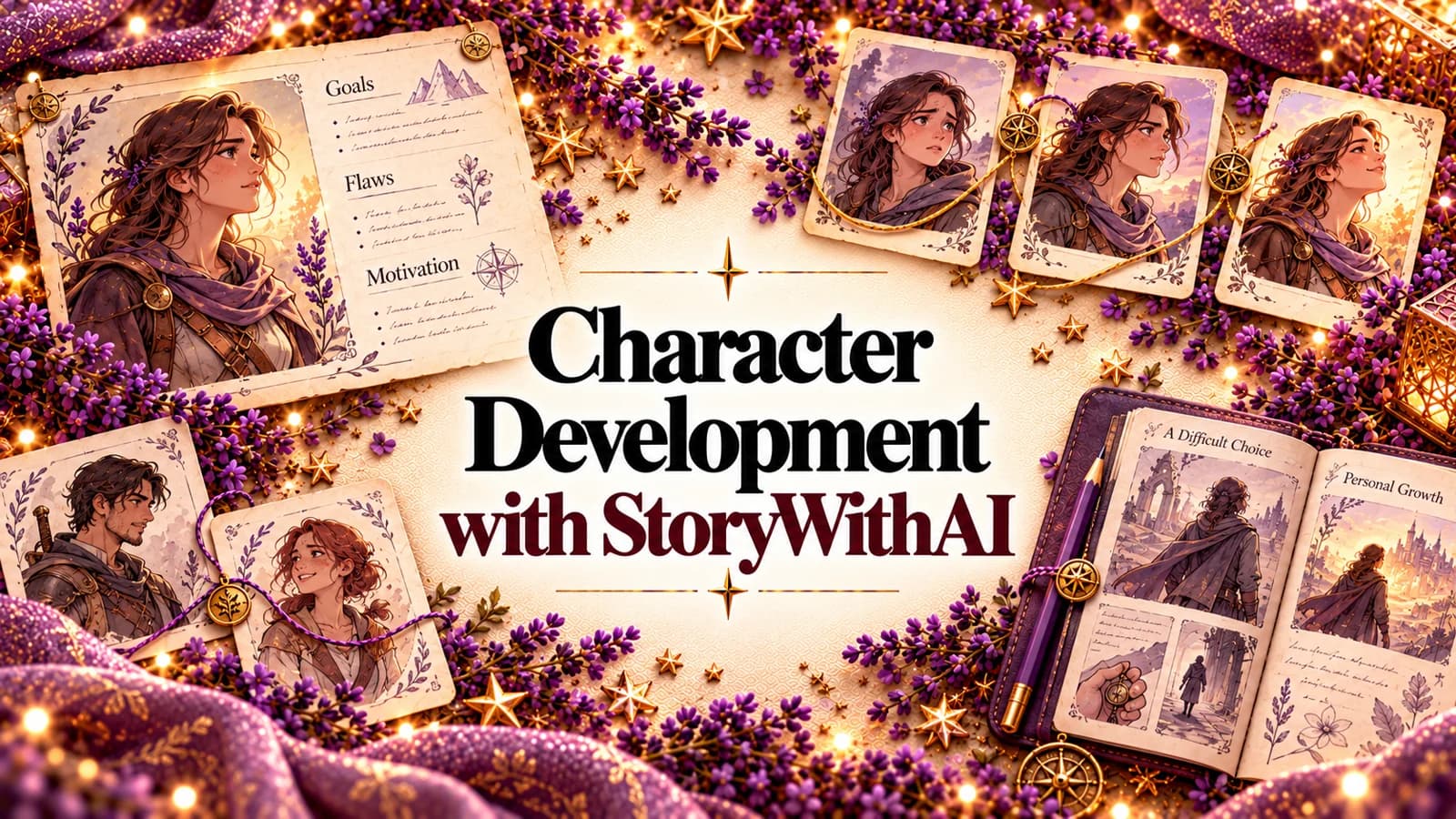
Character Development with StoryWith AI: How to Build Characters Readers Follow to the Last Page (2026)
Readers forgive a slow chapter. They don't forgive a character they've stopped believing in.
 Feedback & Revision
How to Co-Write a Novel: Models, Agreement and Tools
To co-write a novel, agree three things before anyone drafts a scene: how the work is split, what happens to credit and money, and who has the final word. Then work in one shared tool, keep a style…
 Writing with AI
Campfire Writing Alternatives: 6 Tools by Job (2026)
The right Campfire alternative depends on which part of Campfire you are replacing. For a worldbuilding wiki with maps and timelines, look at LegendKeeper, or Obsidian if you want free local files.…
 Writing with AI
ProWritingAid vs ChatGPT for Editing Your Book
ProWritingAid and ChatGPT do different jobs on a manuscript. ProWritingAid is an editor that checks the text you wrote: grammar, style reports, and paid whole-book analyses that report on plot, cha…
 Feedback & Revision
Beta Readers for Mystery Novels: Fair Clues and What to Ask
The best beta readers for a mystery are people who read your kind of mystery for pleasure and try to solve it as they go. Find them in reader groups, crime writing communities, critique sites and p…
 Feedback & Revision
Beta Readers for Science Fiction: Where and What to Ask
The best beta readers for a science fiction novel are people who read your corner of the genre for pleasure: space opera readers for space opera, hard SF readers for hard SF. Find them in reader gr…
 Feedback & Revision
Beta Readers for Thriller Novels: Where and What to Ask
The best beta readers for a thriller are people who read thrillers for fun and will tell you exactly where they put the book down. Find them in reader groups, crime writing communities, critique si…
 Feedback & Revision
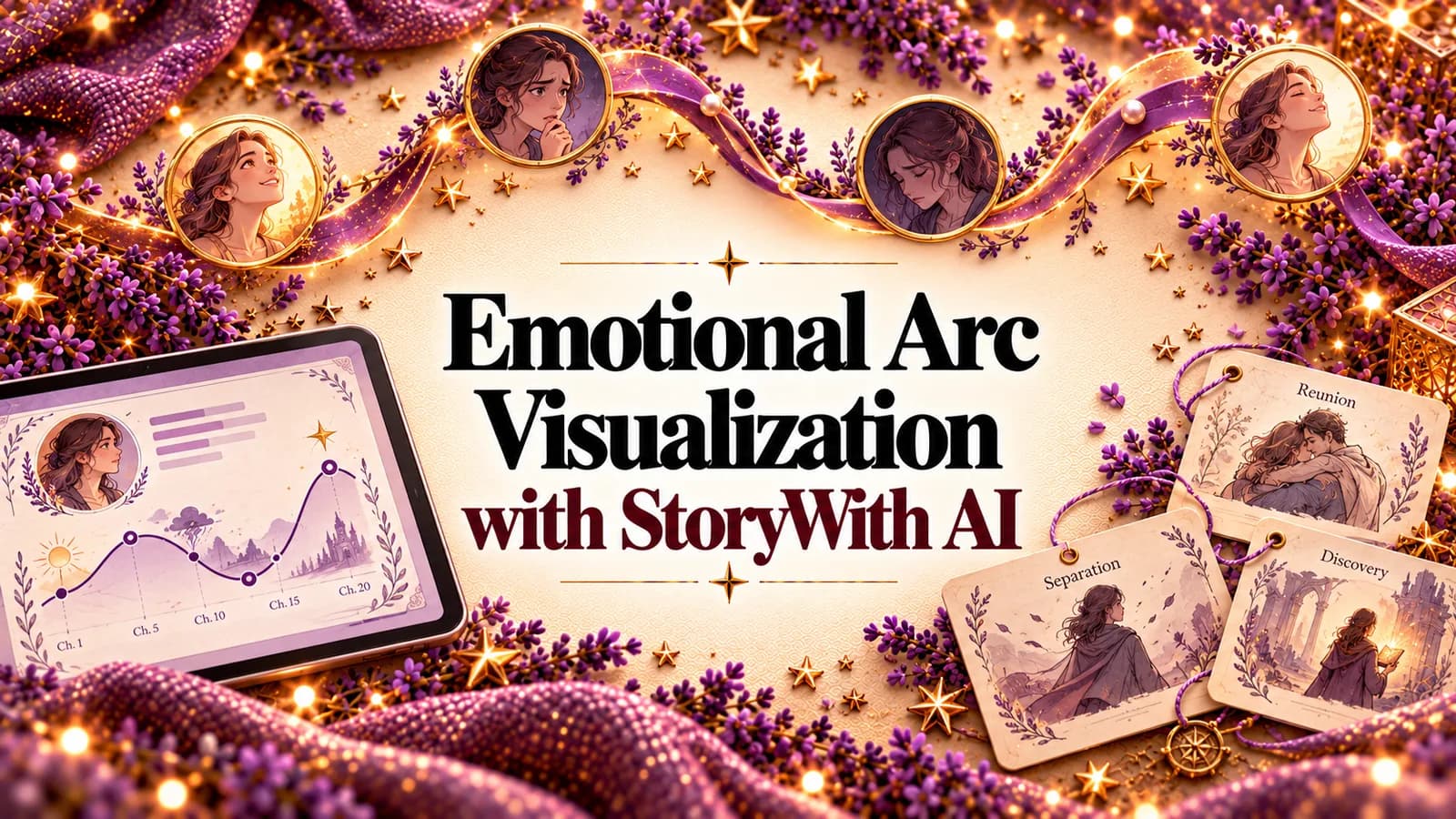
Emotional Arc Visualization: How to See the Shape of Your Story Before Readers Feel It (2026)
Readers can't tell you why the middle of your book dragged. They just put it down.
 Feedback & Revision
How to Know if a Scene Is Necessary (and What to Do)
A scene is necessary when something is different at the end of it and the book would break if it were gone. Different means a goal was won or lost, a relationship shifted, the stakes rose, or the r…
 Writing with AI
AutoCrit vs ChatGPT for Editing Your Own Novel (2026)
AutoCrit is the better tool for measured, fiction-specific line editing. Its reports measure pacing, dialogue, adverbs and word choice, Pro compares your style with published books in major genres,…
 Writing with AI
Marlowe vs ProWritingAid: Manuscript Reports Compared
If you only want an outside read of a finished novel, Marlowe is the cheaper buy. A Marlowe Pro report costs $29.95 once, or $19.95 for a month that includes 4 reports, while a ProWritingAid Manusc…
 Writing with AI
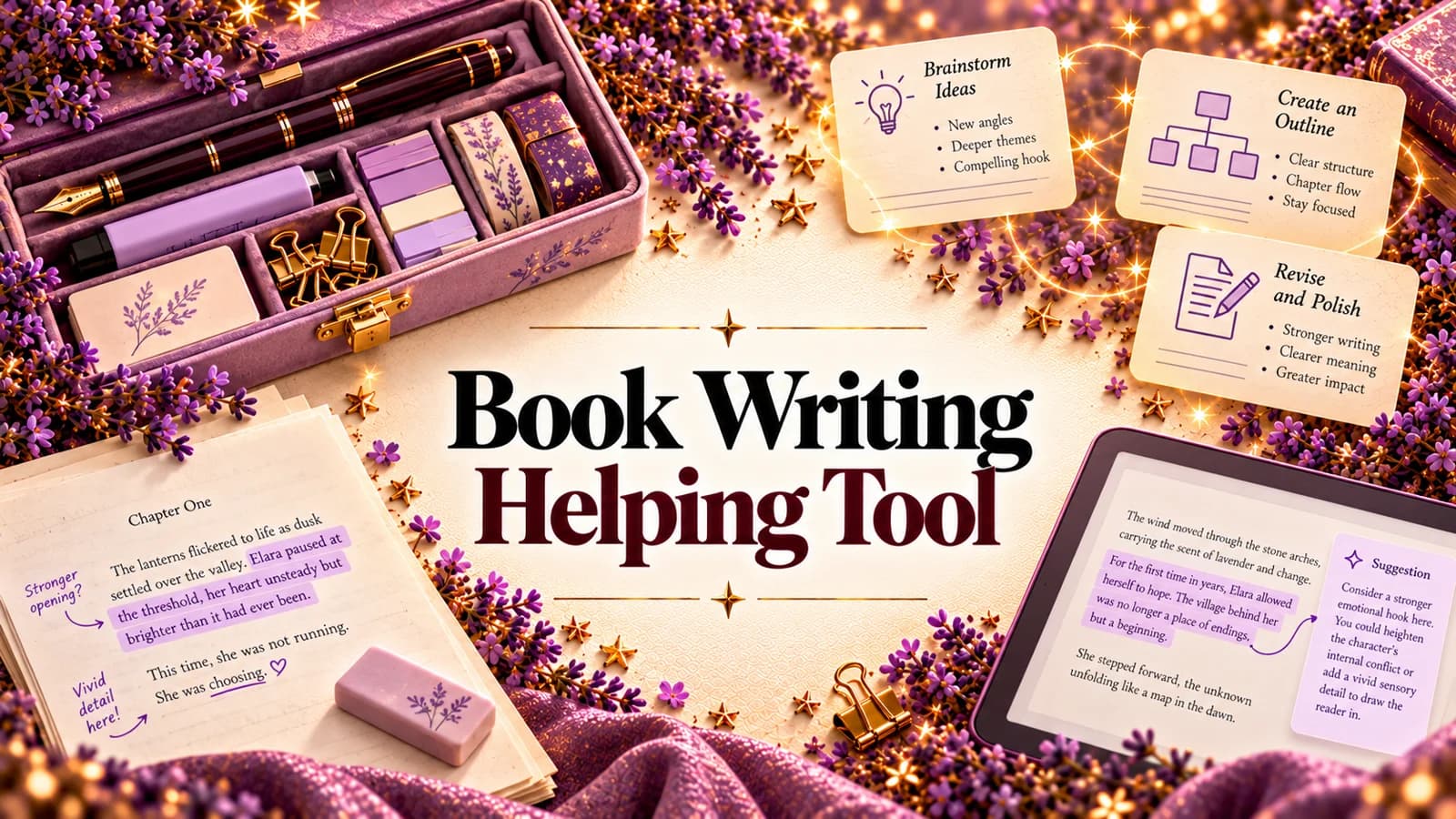
Book Writing Helping Tool: What Real Help Looks Like at the Five Places Books Stall (2026)
Almost everyone who searches for a book writing helping tool already has a book. Maybe it's an idea that has followed them around for years. Maybe it's 30,000 words that stopped in the middle of ch…
 Writing with AI
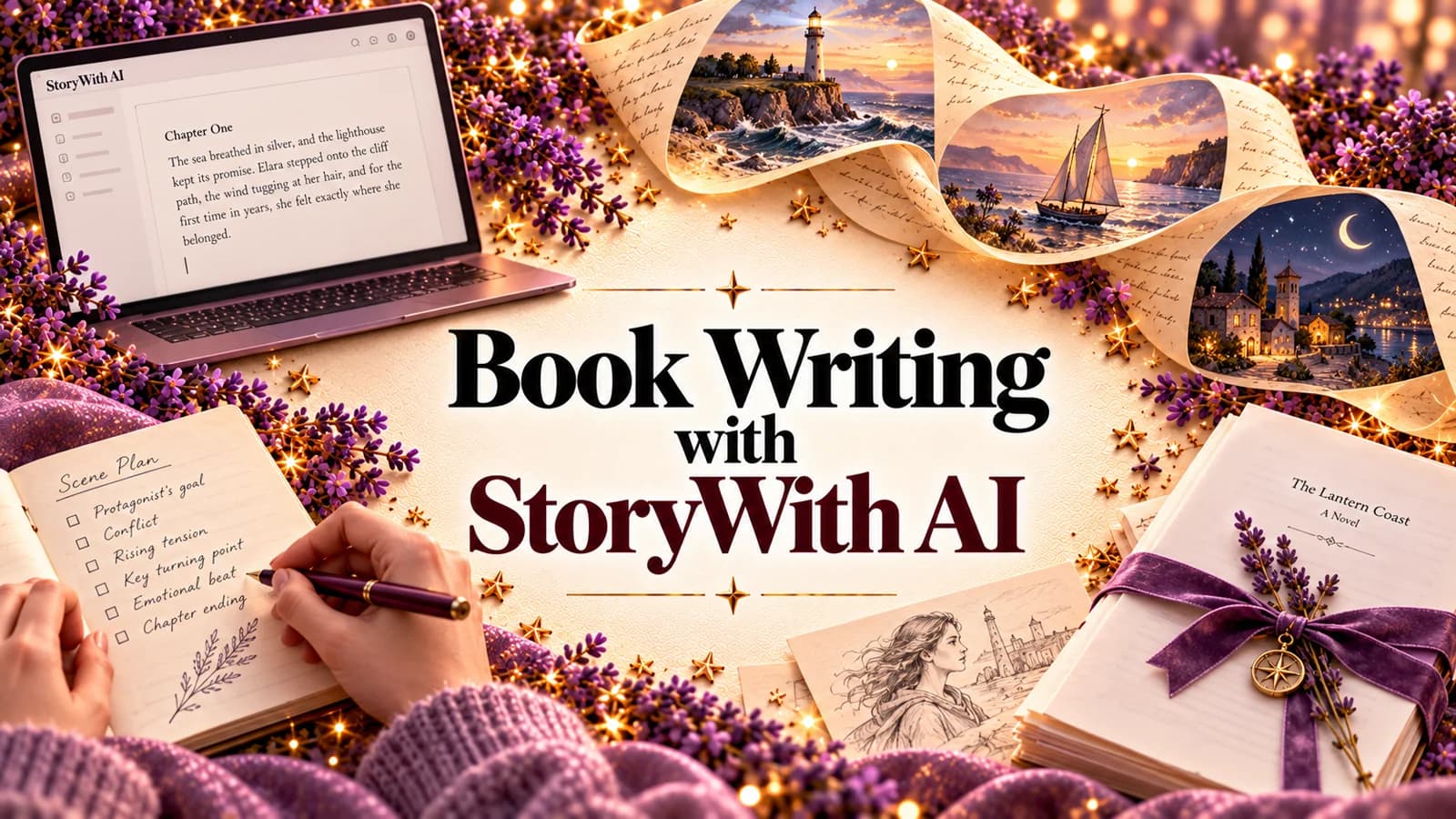
Book Writing with StoryWith AI: A Step-by-Step Guide from First Idea to Finished Manuscript (2026)
Most guides to writing a book with AI start with a prompt and end with a pile of generated text. This one doesn't.
 Writing with AI
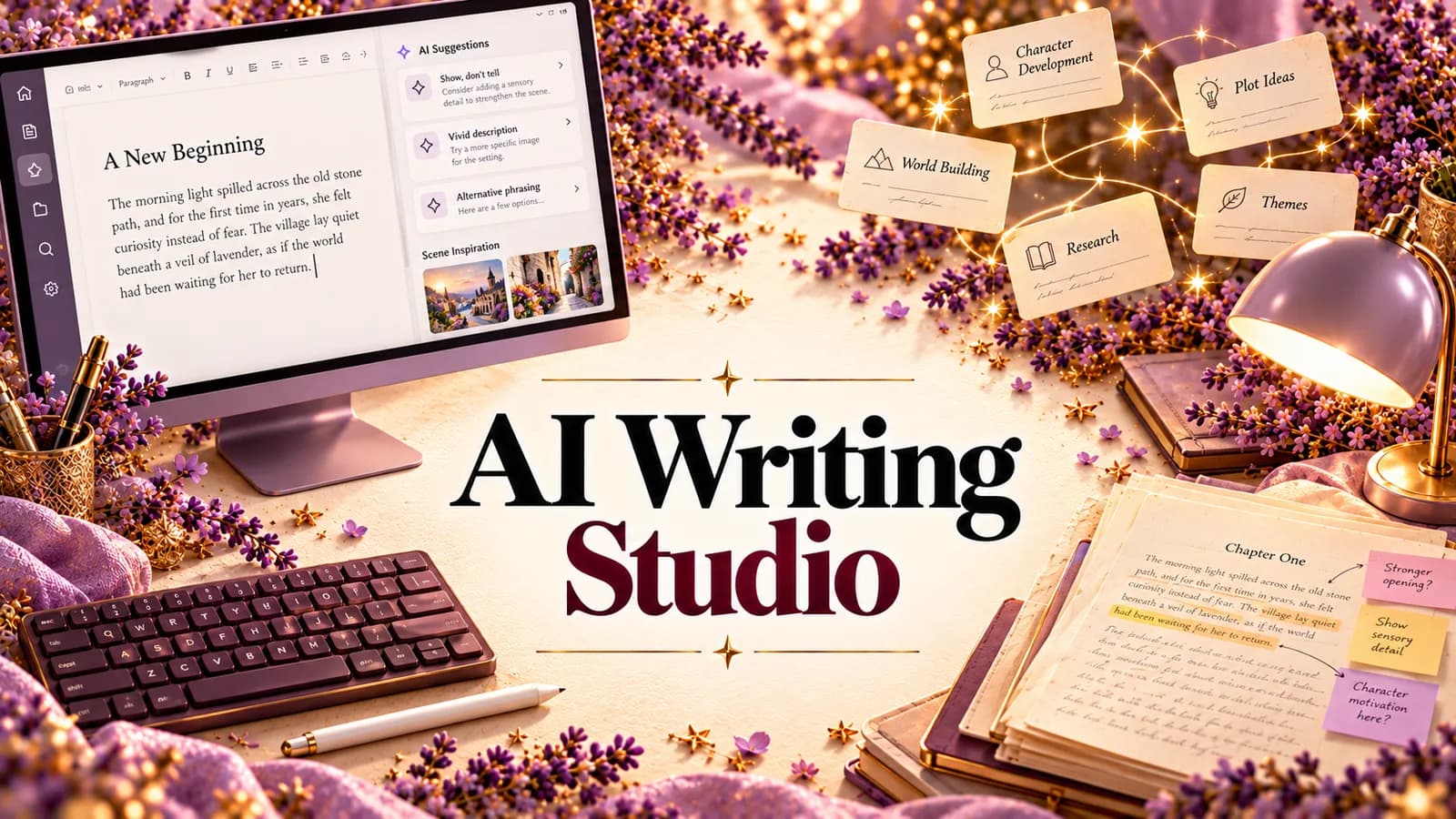
AI Writing Studio: What It Is, What It Should Do, and Why Authors Choose StoryWith AI (2026)
Most writers now have more AI than they know what to do with.
 Feedback & Revision
Beta Readers for Nonfiction: Who, Where and What to Ask
The right beta readers for a non-fiction book are people from the audience the book is written for: the new manager, the caregiver, the beginner investor. They do not need to love a genre. They nee…
 Feedback & Revision
Should My Novel Have a Prologue? A Decision Test
Your novel should have a prologue only if the story loses something essential without it. A useful test: delete it, read chapter one, and ask whether the book still makes sense and still pulls you…
 Feedback & Revision
Too Many Characters in a Novel: Signs and How to Fix It
There is no number of characters that is too many for a novel. A cast becomes too big when readers have to track people who give them no reason to. Mixed-up names and characters the plot would not…
 Feedback & Revision
Alpha Reader vs Beta Reader: Which You Need and When
An alpha reader sees your book early, often before it is finished, and tells you whether the shape works: the premise, the main character, the plot. A beta reader sees a revised, complete draft and…
 Feedback & Revision
Beta Readers for Fantasy: Where to Find Them, What to Ask
The best beta readers for a fantasy novel are people who already read your subgenre for pleasure: epic fantasy readers for epic fantasy, romantasy readers for romantasy. Find them in genre reading…
 Feedback & Revision
Beta Readers for Historical Fiction: Where and What to Ask
The best beta readers for historical fiction are people who read the genre for pleasure. Look for them in genre communities such as the Historical Novel Society's members-only critique groups, matc…
 Romance Writing
Beta Readers for Romance: Where to Find Them, What to Ask
The best beta readers for a romance novel are people who already read your subgenre, at your heat level, for fun. A sweet small-town reader and a dark romance reader will judge the same draft by di…
 Feedback & Revision
Filter Words: A List for Fiction Writers and How to Cut Them
Filter words are verbs of perception and thought, such as saw, heard, felt, noticed and realized, that put a character between the reader and what is happening. "She saw the door swing open" makes…
 Feedback & Revision
Head Hopping in Writing: What It Is and How to Fix It
Head hopping is switching the point-of-view character in the middle of a scene, without a break. One paragraph is inside Anna's head, the next is inside Ben's, and the reader has to work out whose…
 Feedback & Revision
Info Dumping in Writing: Signs, Examples and Fixes
Info dumping is delivering a large block of background all at once, while the story stops to wait: history, backstory, world rules or research. The reader gets the information before they want it,…
 Feedback & Revision
Is My Novel Any Good? Seven Tests Before Beta Readers
You cannot fully judge your own novel, because you know what every scene was meant to do. But you can get much closer than a gut feeling. Let the draft rest, then reread it as a stranger would, alo…
 Feedback & Revision
Query Letter for a Fantasy Novel: What Agents Want
A fantasy query letter follows the same shape as any query: a short pitch, the book's details, and a line about you. What changes is what agents push back on. Agents' public critiques of fantasy qu…
 Memoir & Essay
Query Letter for a Memoir: What Agents Want to See
A memoir query reads more like a novel query than a non-fiction one. You pitch one story from your life, in first person, with you as the protagonist, a conflict, choices and stakes. Then you give…
 Feedback & Revision
Said Bookisms: A List of Dialogue Tags to Cut or Keep
A said bookism is a fancy verb used in place of "said" in a dialogue tag: she retorted, he opined, they chortled. Most craft advice says to cut them. The reason is not that the words are wrong, but…
 Feedback & Revision
Switching Tenses in Writing: When It Works and How to Fix It
Switching tenses in writing is a problem when it happens by accident: a scene told in the past tense drifts into the present with no change in time, as in "She opened the door. The room is dark." T…
 Feedback & Revision
AutoCrit Review (2026): Reports, Pricing, Who It Suits
AutoCrit is an online self-editing platform aimed mainly at fiction writers. You paste or upload a draft, and it scores your prose against published books in your genre, with reports on pacing, dia…
 Writing with AI
AutoCrit vs Sudowrite (2026): Editing Reports or AI Drafts?
AutoCrit and Sudowrite answer different questions. AutoCrit asks "how does the prose I wrote compare with published books in my genre?" and answers with editing reports and a score. Sudowrite asks…
 Feedback & Revision
BetaBooks Alternatives for Beta Reading (2026)
The closest BetaBooks alternative is BetaReader.io: it runs the same private read, adds a public listing where readers can ask to join, and shows a listed price of US$9.99 a month. If you mainly ne…
 Feedback & Revision
Fictionary Review (2026): Features, Pricing, Who It Suits
Fictionary is structural editing software for fiction. You import a draft, then work through it scene by scene against a fixed set of 38 story elements, and the software turns what you record into…
 Feedback & Revision
Marlowe AI Review (2026): What the Report Gives You
Marlowe is a fast, low-cost way to get one whole-manuscript diagnostic: you upload a finished draft, and minutes later you get a report on plot, pacing, character, conflict, theme and line-level ha…
 Writing with AI
Sudowrite vs ProWritingAid (2026): Which Do You Need?
Sudowrite and ProWritingAid are not two versions of the same tool. Sudowrite is an AI writing partner: it drafts, rewrites, describes and brainstorms fiction for you, and runs on monthly credits. P…
 Writing with AI
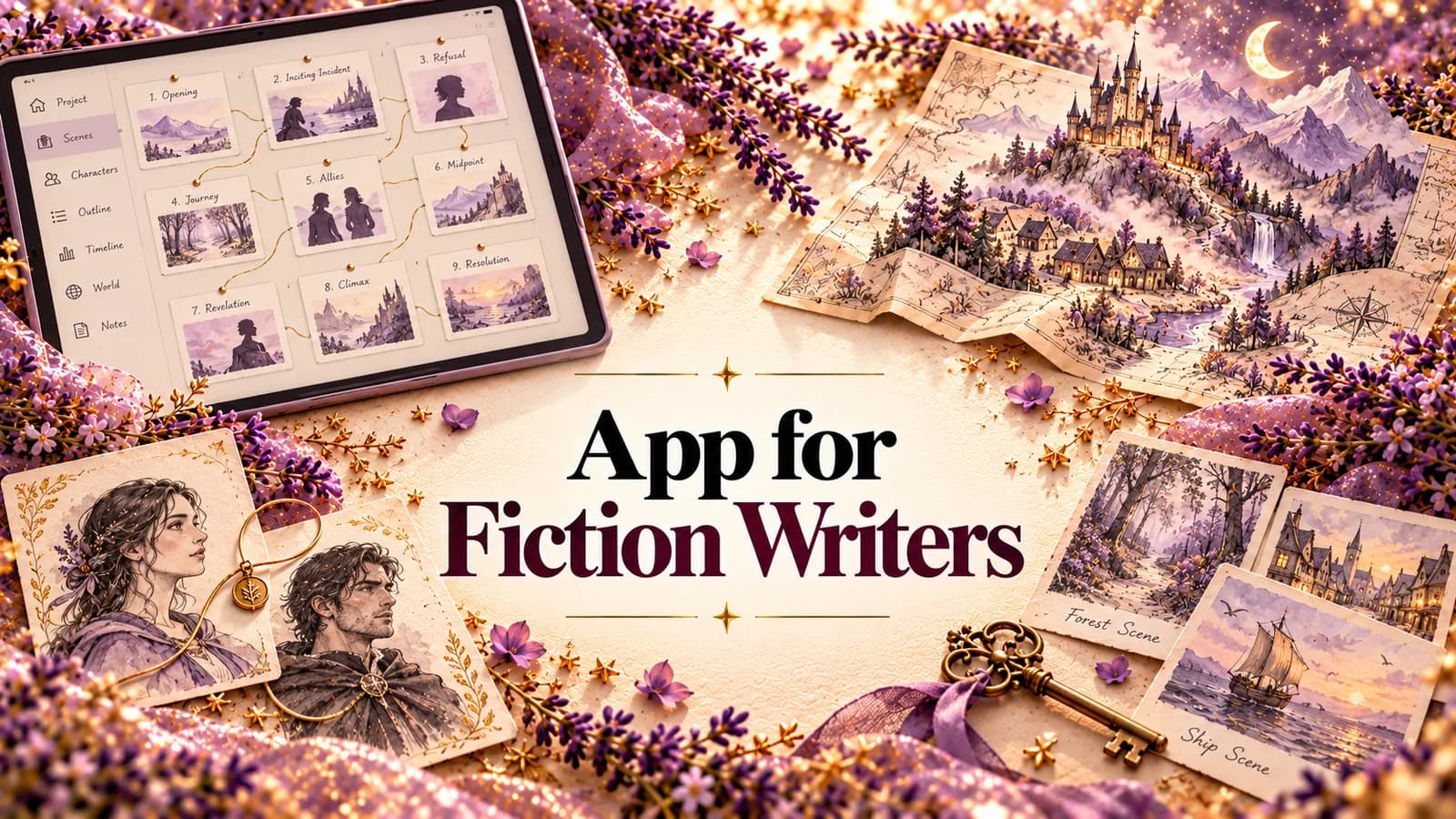
App for Fiction Writers: What a Novel Actually Needs From Your Software (2026)
Ask ten novelists which app they write in and you'll get ten answers. Word. Google Docs. Scrivener. A notes app on the phone. A paper notebook and a laptop that only ever sees the clean copy.
 Writing with AI
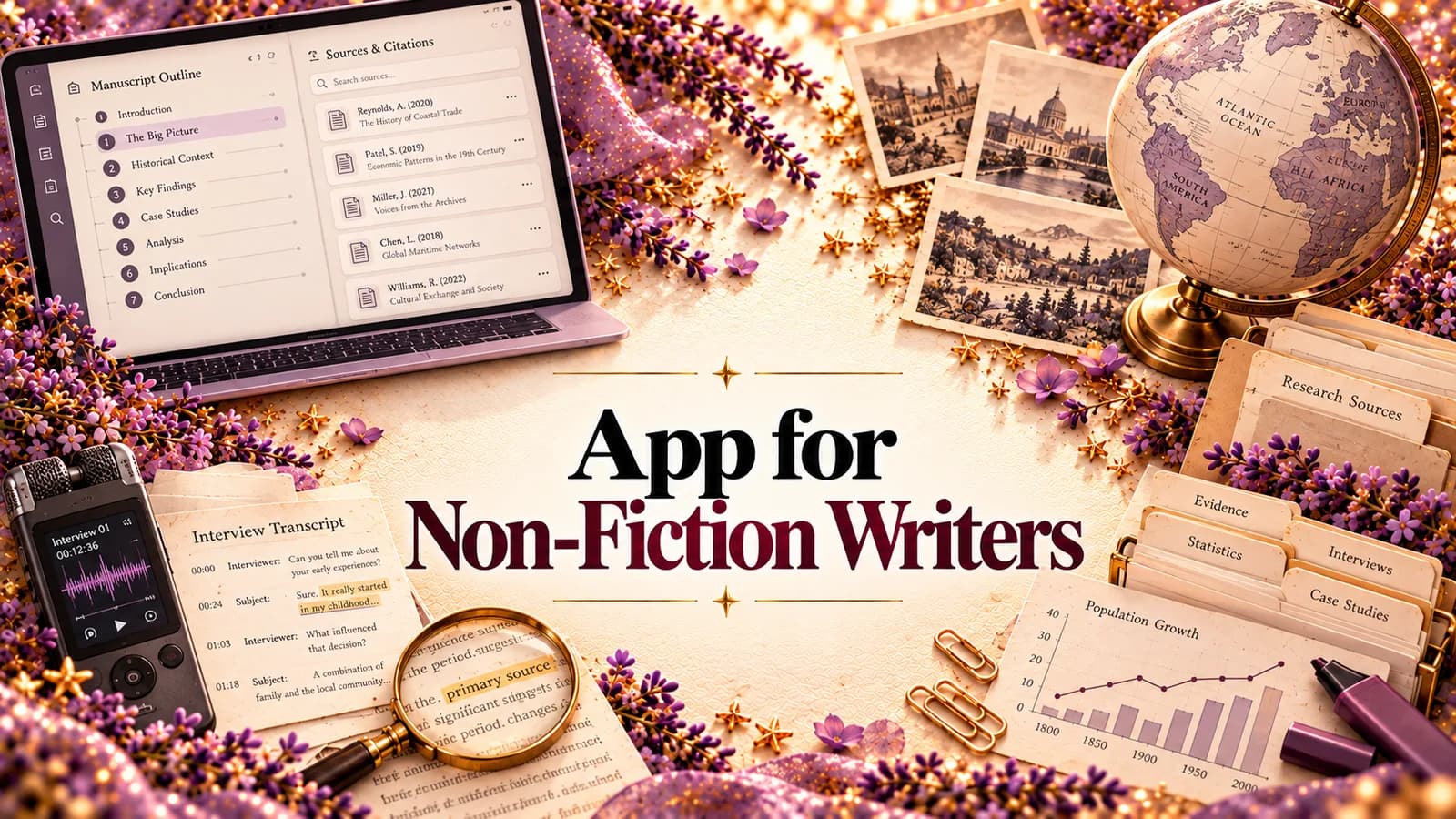
App for Non-Fiction Writers: What Your Book Actually Needs From Your Software (2026)
Non-fiction writers rarely run out of material. They run out of order.
 Writing with AI
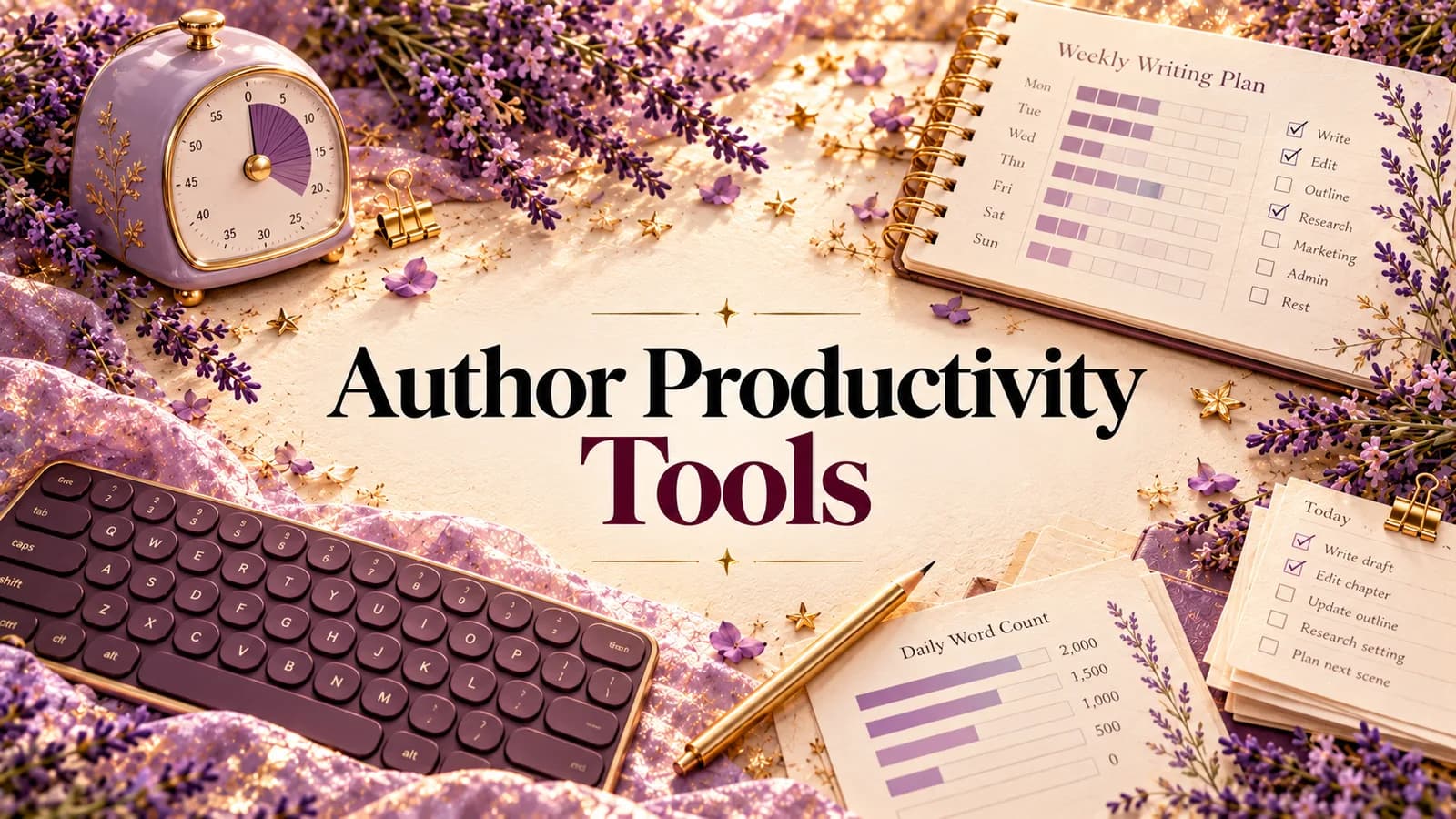
Author Productivity Tools: Where Your Writing Time Really Goes, and How to Get It Back
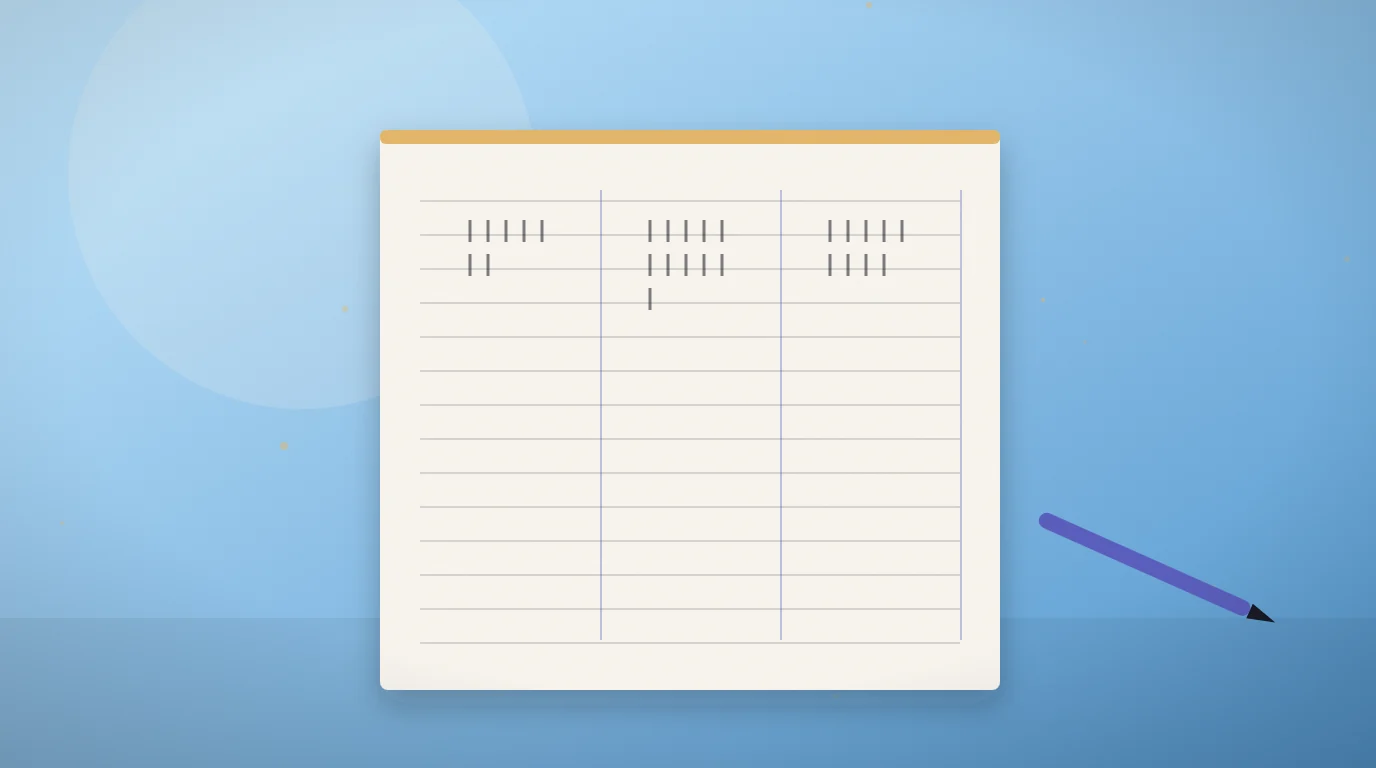
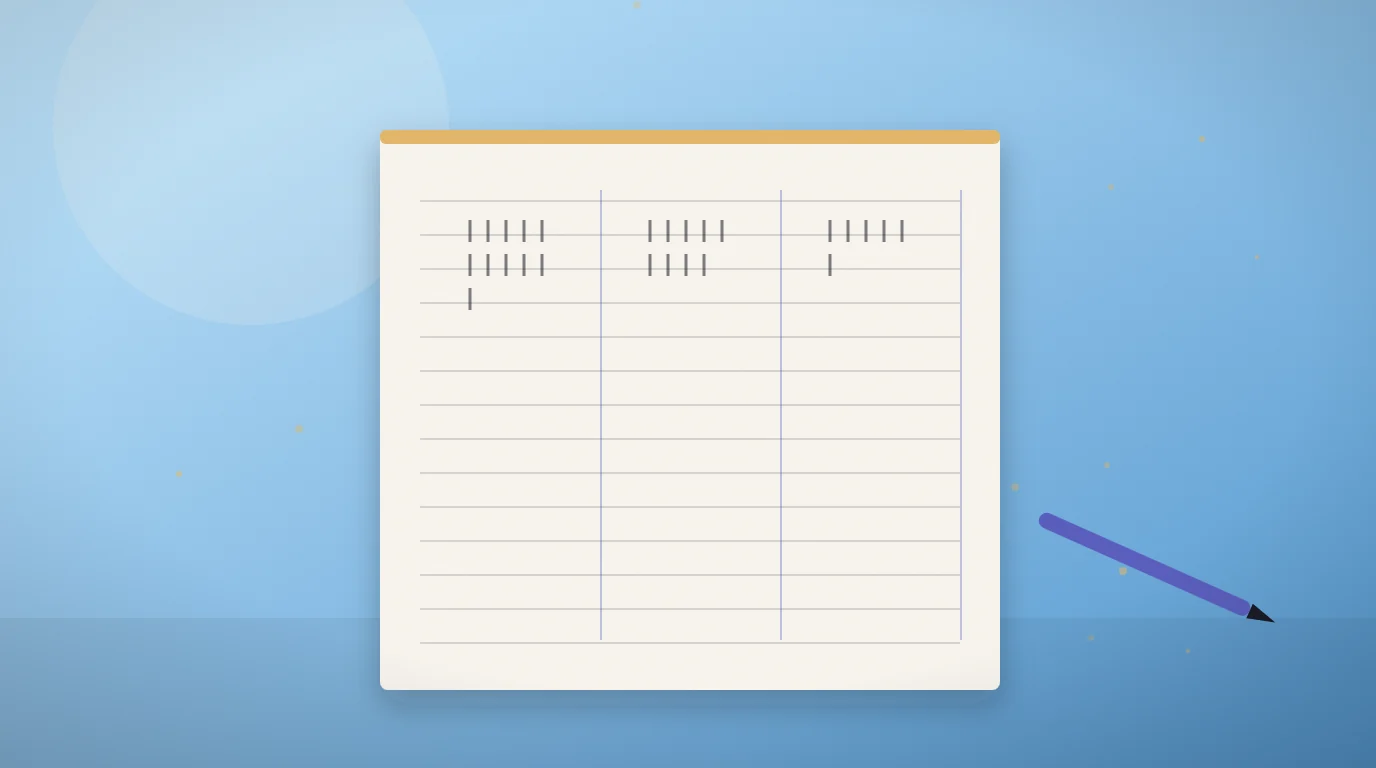
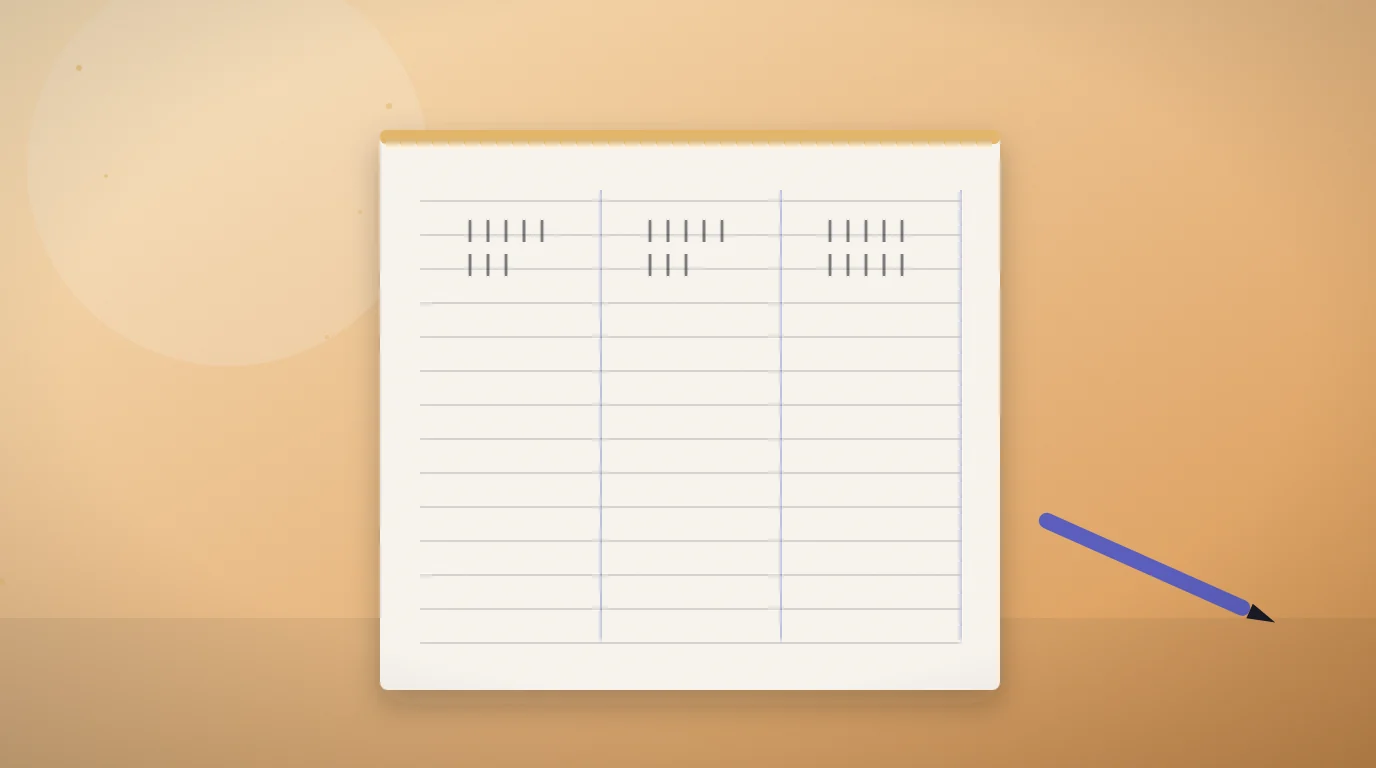
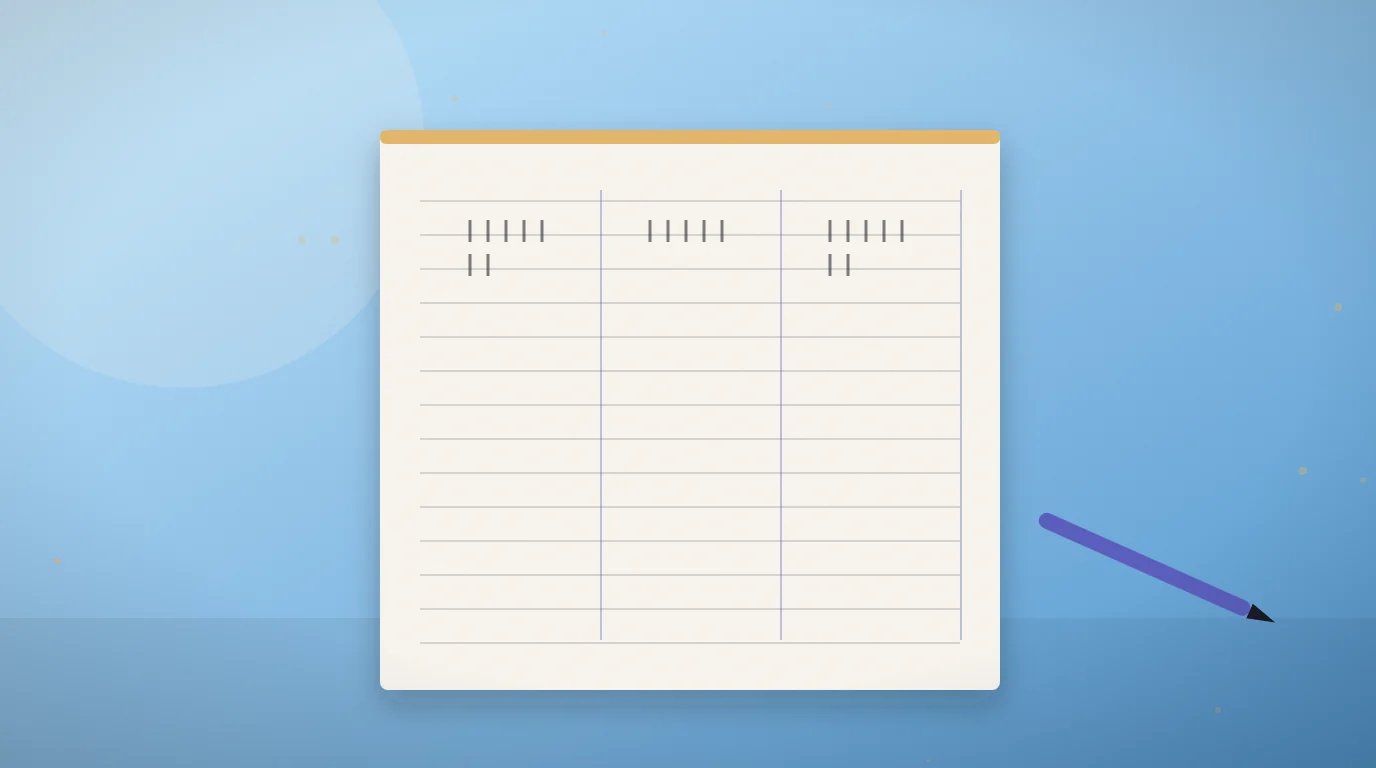
Here's an experiment worth doing once. Next time you sit down for a two-hour writing session, keep a scrap of paper next to you and make a tick every time you leave the manuscript. To check a chara…
 Writing with AI
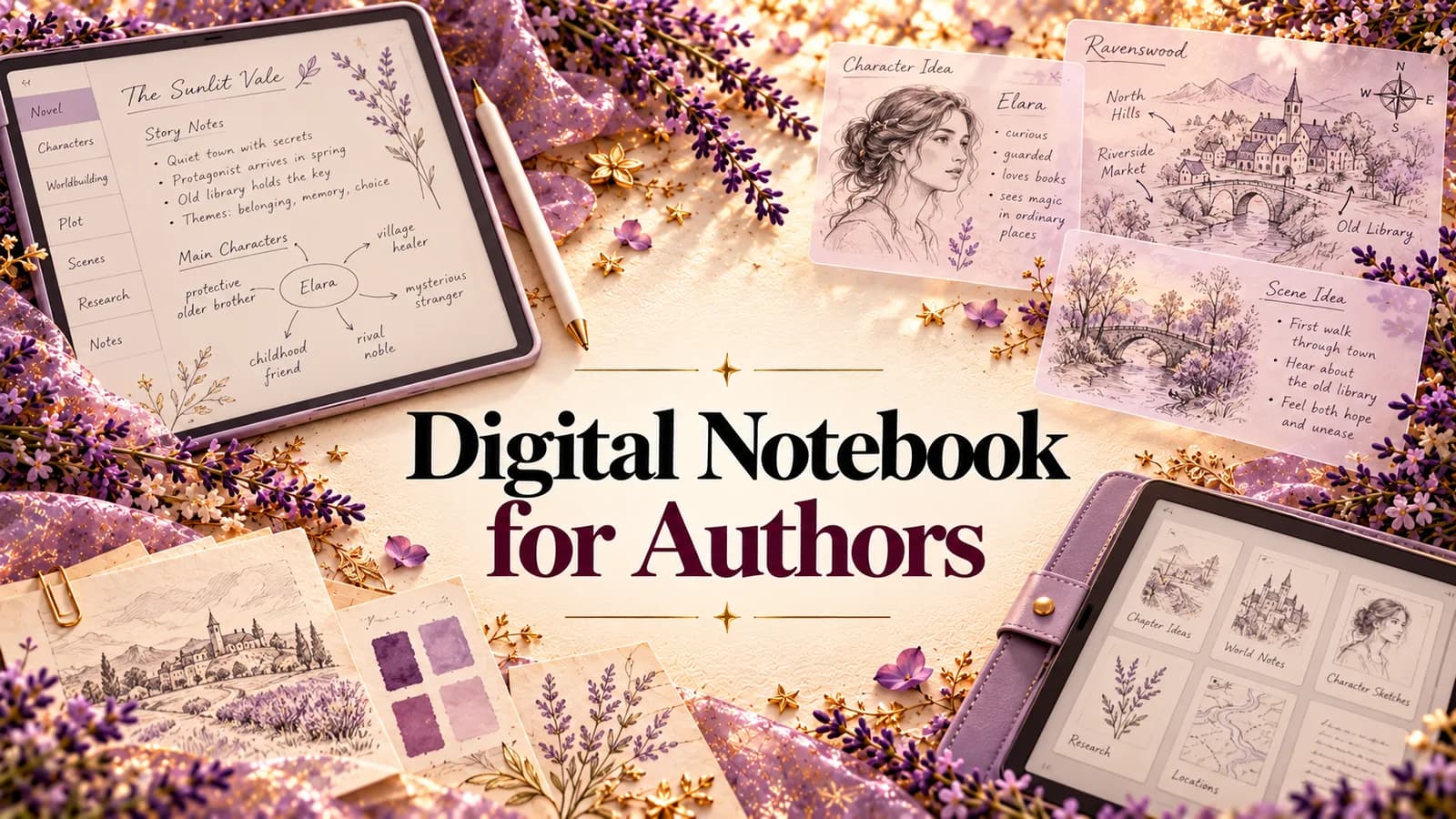
Digital Notebook for Authors: Why Your Best Ideas Keep Dying in Your Notes App
Open your phone's notes app and scroll down. Not far. Maybe forty notes in.
 Writing with AI
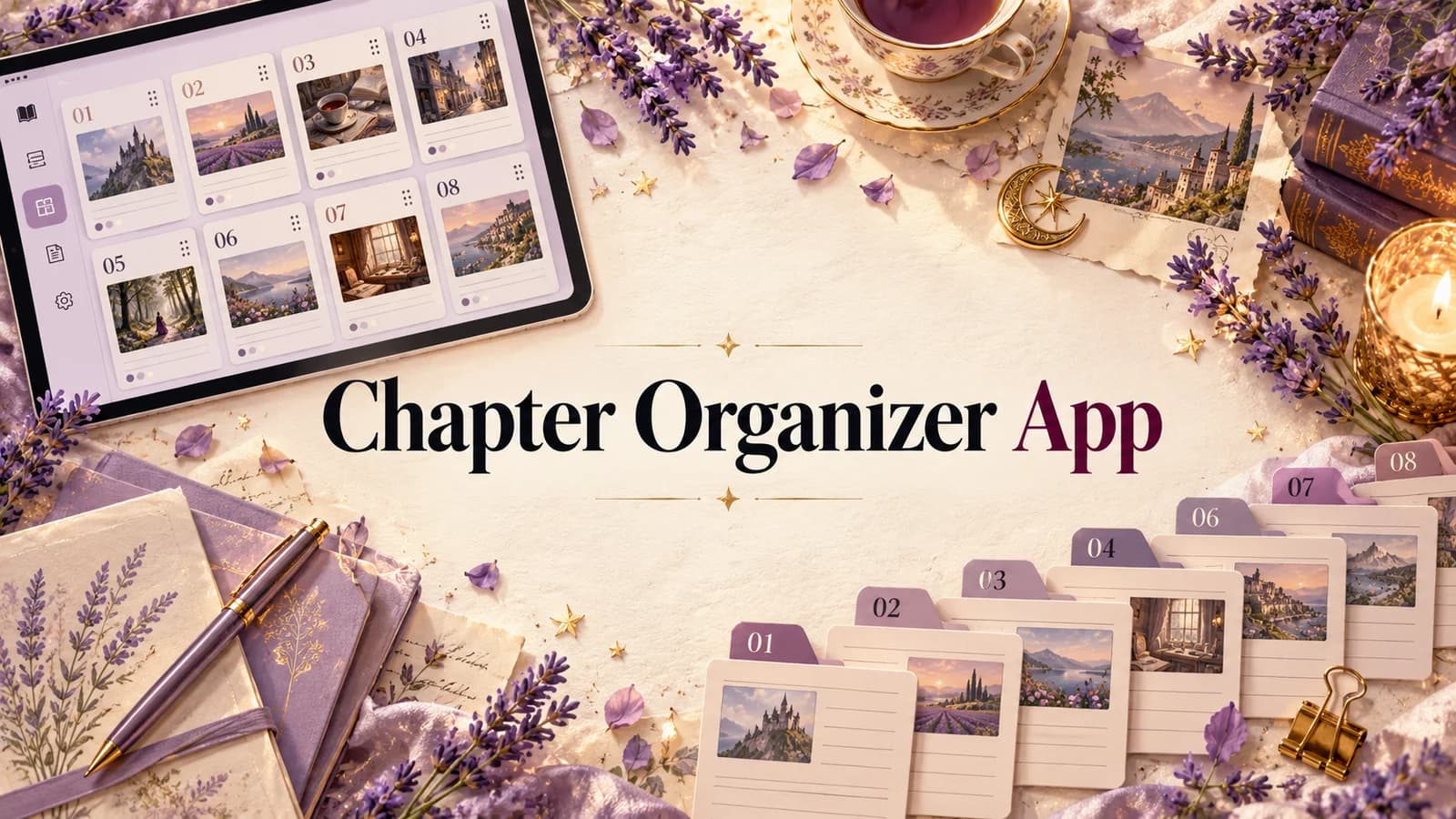
Chapter Organizer App for Authors: How to Move Chapters Without Breaking Your Book
Chapter fourteen was the problem. It was a quiet chapter: the heroine visits her father in the care home, and the reader learns about the debt. It sat between two loud chapters and it dragged. So t…
 Self-Publishing
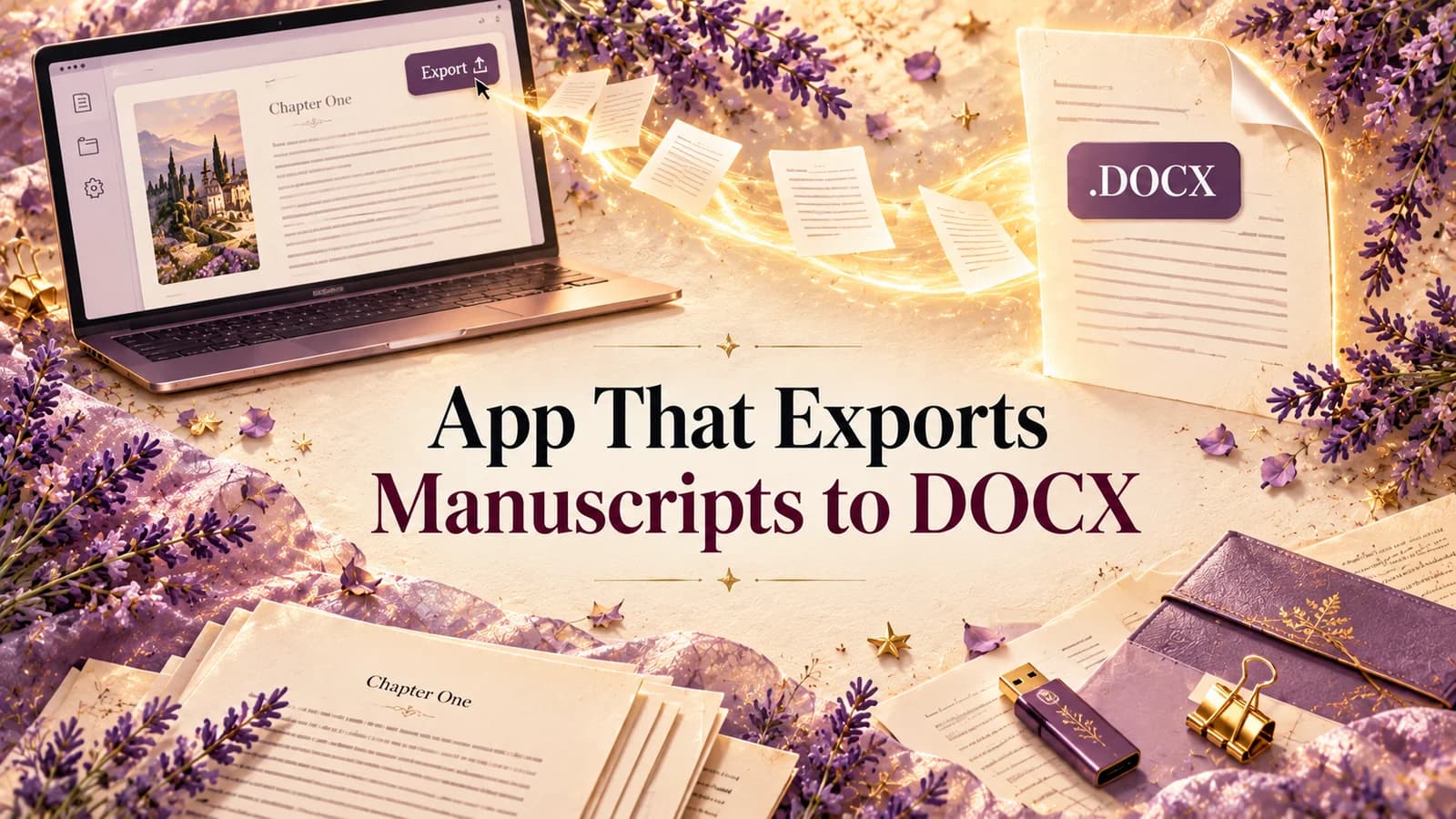
An App That Exports Your Manuscript to DOCX: What a Clean Word File Needs, and Why StoryWith AI Gets You There
You finish the book in the app you love. The editor replies to your email in an hour: "Great, send me the Word file."
 Writing with AI
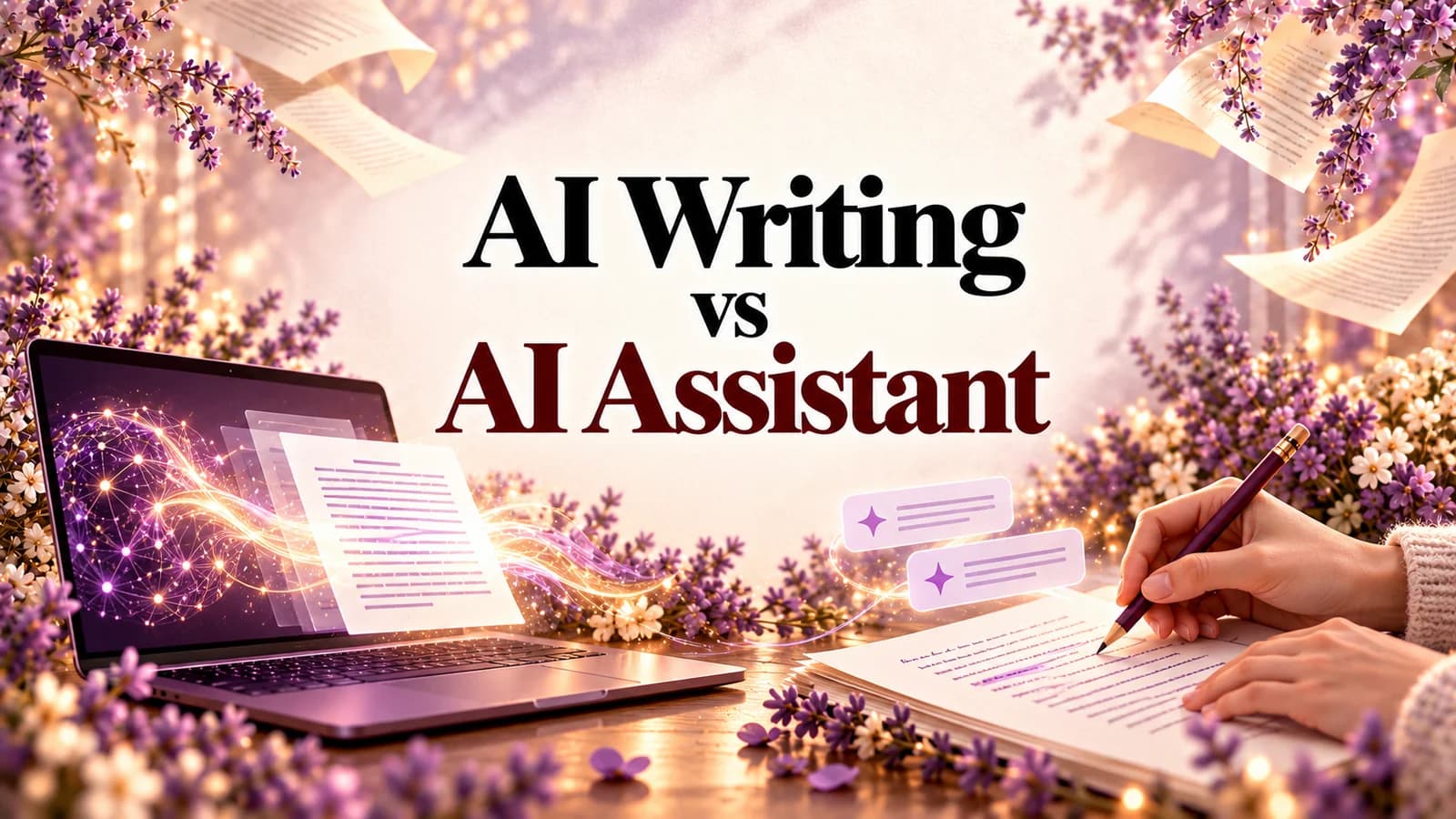
AI Writing vs AI Writing Assistant: Who Holds the Pen on Your Manuscript?
Two writers sit down on the same Saturday with the same idea: a lighthouse keeper who finds a letter addressed to her, dated forty years in the future.
 Feedback & Revision
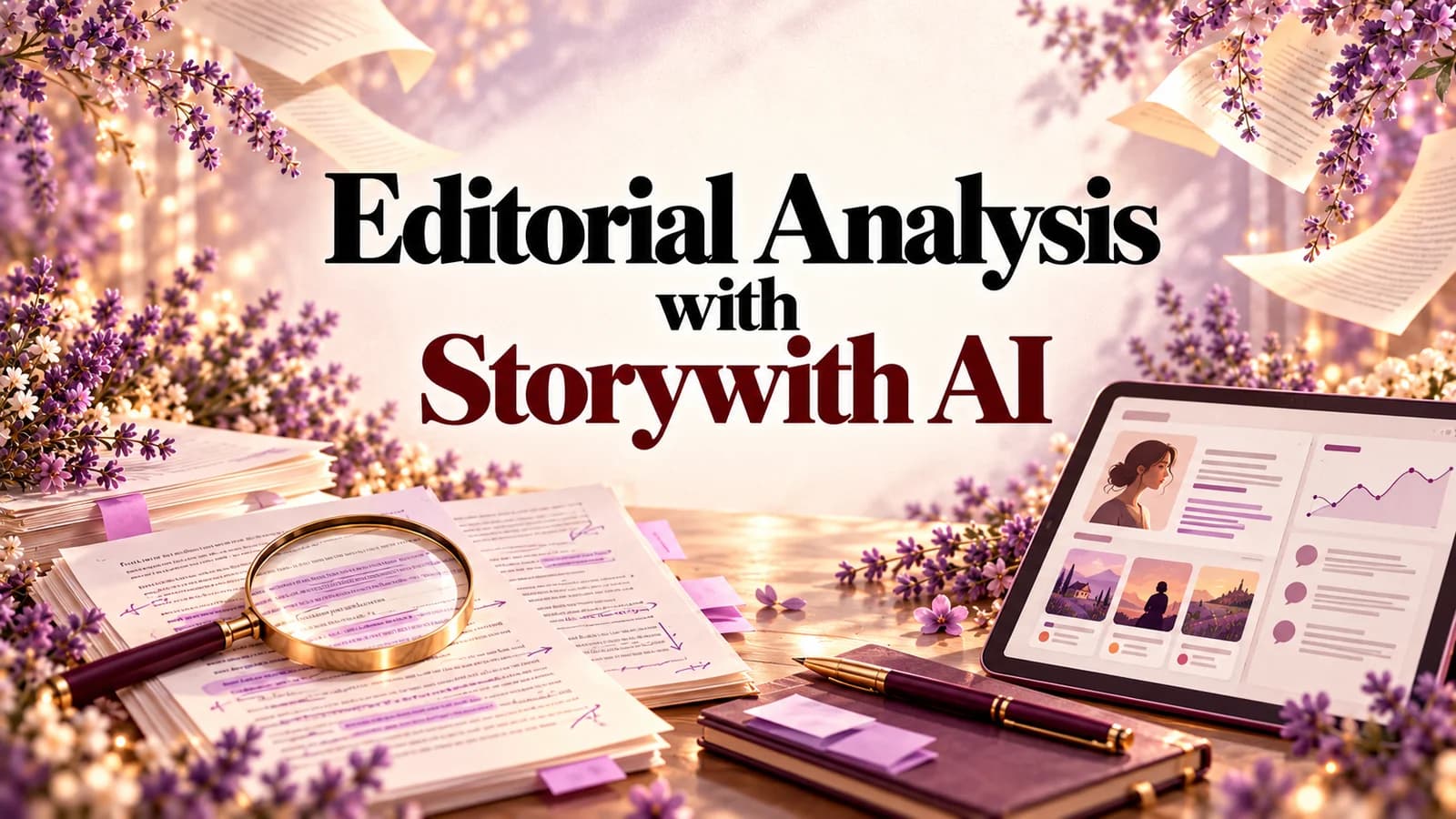
Editorial Analysis: How to Get an Editor's-Eye Report on Your Manuscript
There's a moment every writer reaches after the last chapter is done. You've read the book so many times that you can't see it any more. The sentences slide past. You know the twist is coming, so y…
 Self-Publishing
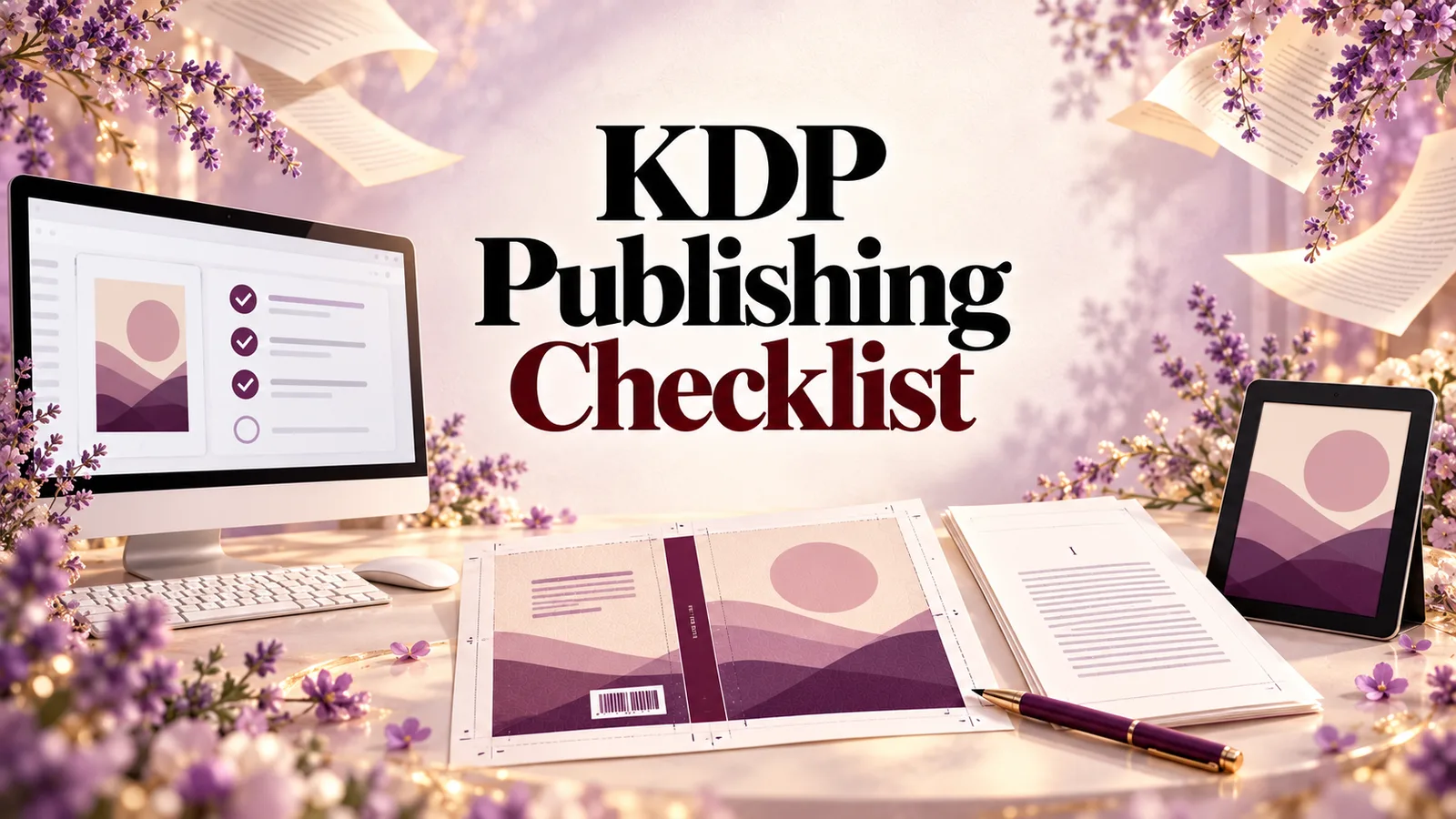
KDP Publishing Checklist: Three Files, One Countdown, and the Mistakes Amazon Won't Catch for You
The proof copy arrives in a padded envelope. You've waited two years to hold it. You open it to chapter one, and the first word of every line has vanished into the spine.
 Self-Publishing
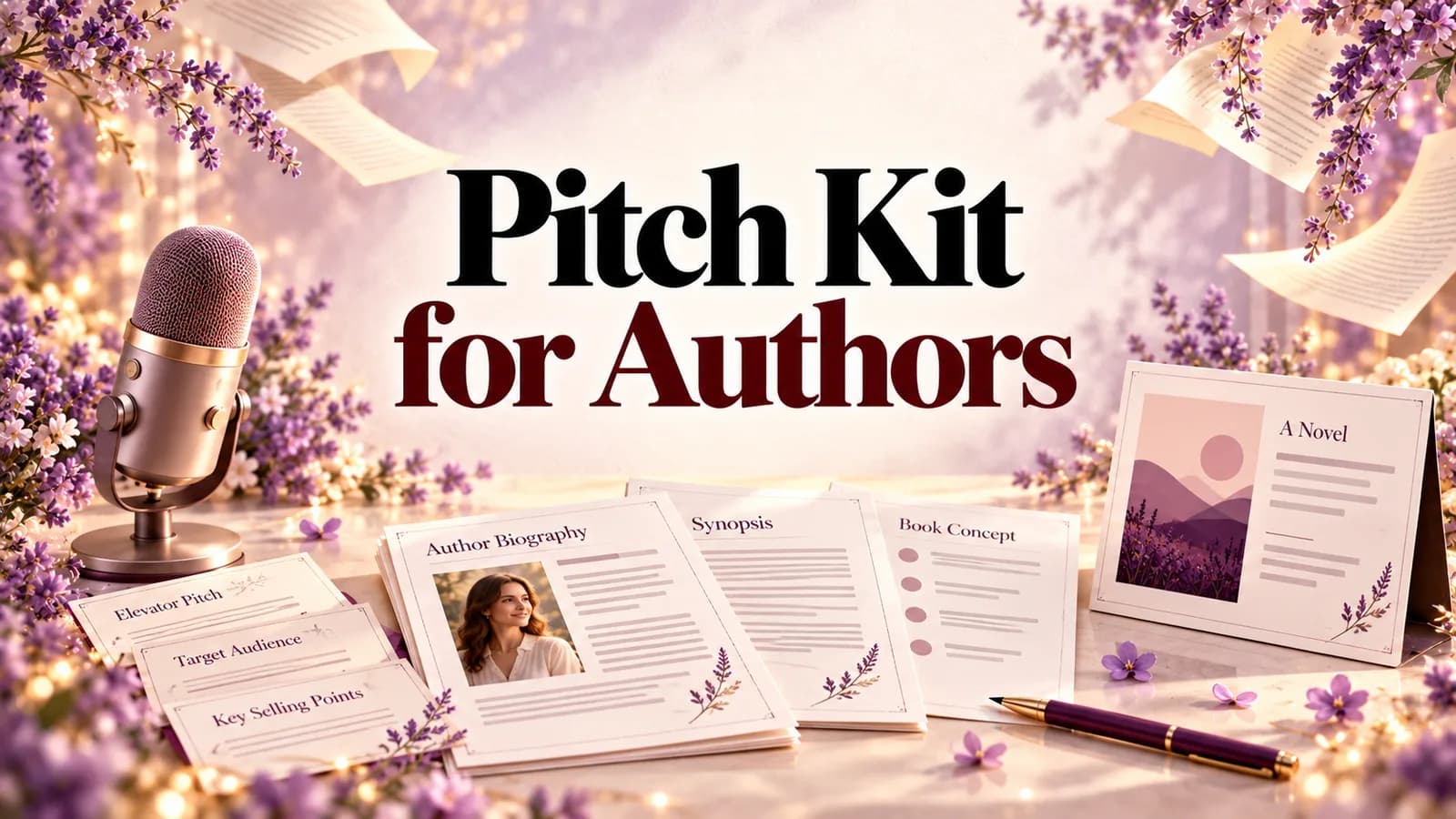
Pitch Kit for Authors: What Belongs in the Folder Before You Hit Send
Picture a writing conference, the last coffee break of the day. You have four minutes with an agent you have followed for three years. You talk about your book, she tilts her head, and she says the…
 Feedback & Revision
Query Letter vs Synopsis: What Each Does and When
A query letter is a one-page pitch that makes an agent want to read your book. A synopsis is a plain summary of the whole plot, ending included, that shows the agent the story holds together. The q…
 Writing with AI
World Anvil Alternatives for Novelists (2026)
The best World Anvil alternative for a novelist depends on why you are leaving. If you want worldbuilding modules built for fiction with a free tier, try Campfire. If you want a series bible tied t…
 Writing with AI
Using ChatGPT to Edit Your Novel: Prompts and Limits
Yes, you can use ChatGPT to edit your novel, and it is genuinely useful at scene level. Paste in a chapter and it will give you line notes, flag a confusing paragraph, brainstorm fixes for a saggin…
 Feedback & Revision
Comp Titles: How to Find and Use Them in a Query
Comp titles comparable titles are one to three recently published books that share your book's readers. In a query letter they tell an agent where your book would sit in a bookshop and who would bu…
 Feedback & Revision
How to Edit a Novel: A Step-by-Step Revision Plan
To edit a novel, revise in separate passes from the biggest problems to the smallest: rest the draft, read it cold and build a reverse outline, fix structure, then scenes and characters, then conti…
 Feedback & Revision
How to Query a Literary Agent: The Full Process (2026)
To query a literary agent, you finish and revise the book, build a researched list of agents who represent your genre, check that each one is legitimate, and send each a personalised query followin…
 Feedback & Revision
Manuscript Critique Services: 2026 Costs and What You Get
A manuscript critique also sold as a manuscript assessment, evaluation or editorial assessment is a professional read of your whole book that ends in a written report on what works, what does not,…
 Writing with AI
Book Editing Software: 10 Tools Authors Use in 2026
The best book editing software depends on which edit your draft needs. For sentence-level work grammar, style, repetition, readability, ProWritingAid is the strongest all-rounder for novelists, wit…
 Writing with AI
Grammarly for Novels: Is It Good for Fiction in 2026?
Grammarly is good for one part of a novel: the sentence. It catches typos, missed commas, agreement errors and doubled words reliably, and it works inside Word and Google Docs. For a clean copy pas…
 Writing with AI
Is ProWritingAid Worth It? Plans and Break-Even Math
Yes, for most writers who line edit long documents in English, ProWritingAid Premium on the yearly plan is worth it. At $120 a year it costs the same as four months on the monthly plan, and it remo…
 Self-Publishing
Is Reedsy Worth It? An Honest 2026 Review for Authors
Reedsy is worth it if you want a vetted editor or designer, a written contract and a mediator if the job goes wrong, and you accept paying 10% on top of the quote for that. It is less worth it if y…
 Self-Publishing
Book Pitch Generator: Seven Sizes of Pitch, One Book, and the Swap Test That Catches Generic Copy (2026)
An agent opens your email on a phone, on a train, between two other emails. One sentence gets read. Maybe two. By the end of the second, the agent has decided whether a third is worth the time.
 Feedback & Revision
Chapter Length Checker: How to Spot the Chapters That Are Too Long, Too Short, or Just Feel That Way (2026)
Every novelist asks "how long should a chapter be?" sooner or later, usually at 1 a.m., looking at a chapter that has been going on for eleven pages and showing no sign of stopping.
 Feedback & Revision
Pacing in Writing: How to Control the Speed of Your Story (2026)
TL;DR: Pacing in writing is the speed at which a reader feels the story moving. It is controlled by a handful of concrete choices: scene versus summary, sentence and paragraph length, how much dial…
 Feedback & Revision
How Much Do Beta Readers Cost? 2026 Rates and Free Options
Beta readers can be free. Paid ones, at the services we checked prices as published on their sites in October 2026, came to between CA$140 for one reader and US$1,200 for a five-reader package on a…
 Feedback & Revision
Developmental Editor Cost: 2026 Rates by Word Count
A developmental edit of a novel typically costs 3.0 to 3.5 cents a word, according to the Editorial Freelancers Association EFA 2026 rate chart. For an 80,000-word novel, that comes to $2,400 to $2…
 Feedback & Revision
NaNoWriMo Alternative for November 2026
The NaNoWriMo nonprofit announced its closure on 31 March 2025, and its website went offline that May. You can still join a November novel writing challenge in 2026: NaNo 2.0 is a free, volunteer-r…
 Feedback & Revision
Self-Editing Checklist for Authors: 60 Checks to Run Before Anyone Else Reads Your Book (2026)
TL;DR: Self-editing works when you edit in passes, biggest problems first, and only one kind of problem per pass. This self-editing checklist for authors gives you 60 checks across seven passes: bi…
 Writing with AI
AutoCrit vs ProWritingAid: Which Should Novelists Pick?
AutoCrit and ProWritingAid both check your prose and both analyze your story, but they charge for that analysis in different ways. AutoCrit's Pro subscription includes its Story Analyzer+ and simul…
 Writing with AI
Marlowe vs Fictionary vs AutoCrit: Book Analysis Compared
Marlowe, Fictionary and AutoCrit all analyze your novel, but they work in three different ways. Marlowe reads a finished manuscript and returns a report in a few minutes. Fictionary walks you throu…
 Writing with AI
ProWritingAid Manuscript Analysis Review: Cost and Limits
ProWritingAid Manuscript Analysis reads a whole story, up to 300,000 words, and returns a report on the story itself, its themes, plot and structure, characters and setting. It is a separate purcha…
 Writing with AI
Sudowrite vs Novelcrafter: AI, Pricing and Feedback
Sudowrite and Novelcrafter both help you draft fiction with AI, but they pay for that AI in opposite ways. Sudowrite bundles its models into a monthly credit allowance. Novelcrafter sells you the w…
 Feedback & Revision
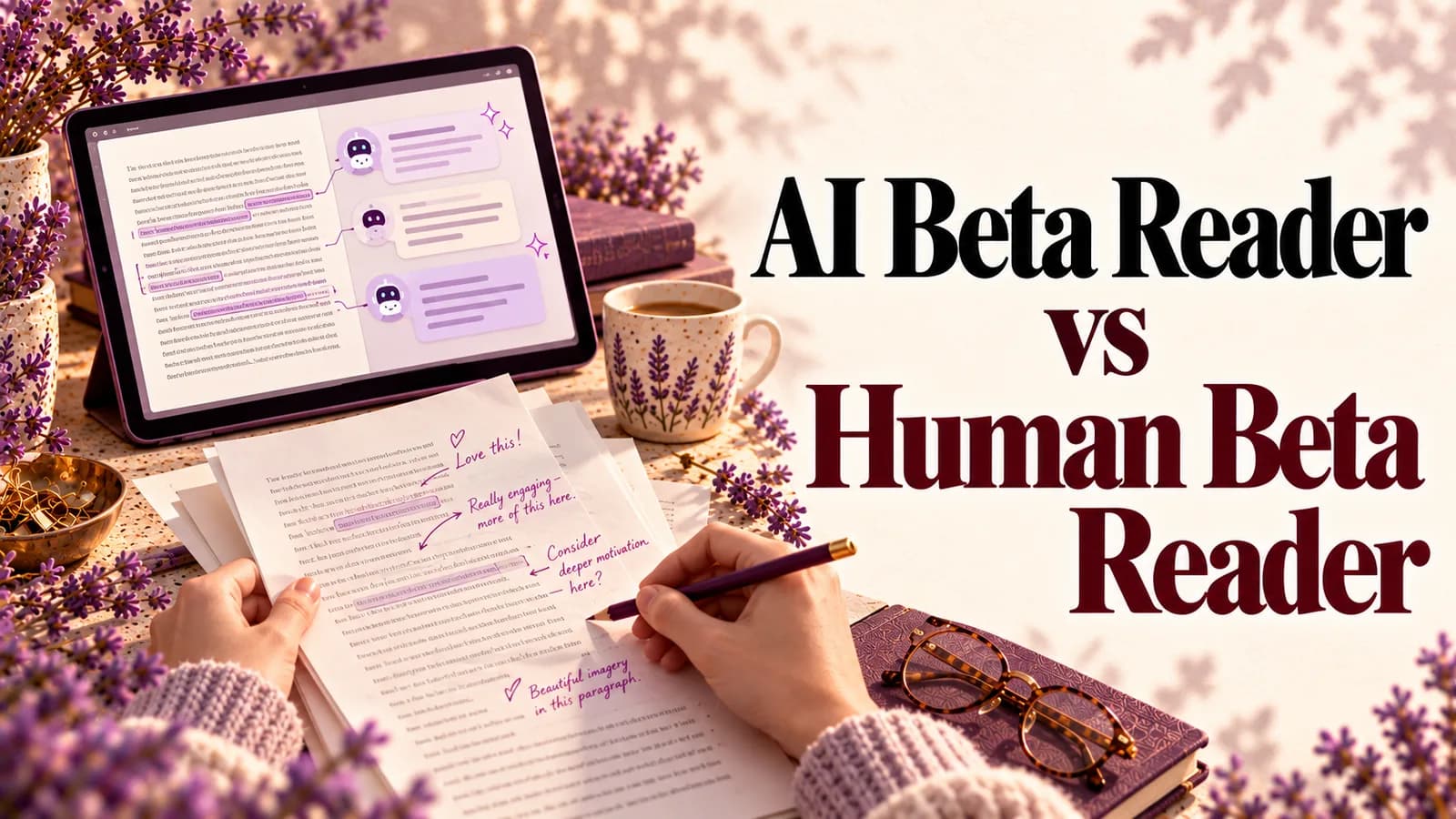
AI Beta Reader vs Human Beta Reader: Which One Your Book Needs, and When (2026)
TL;DR: An AI beta reader is fast, always available, never tired and brutally consistent, but it is a prediction of how readers may react. A human beta reader is slow, hard to find and sometimes too…
 Feedback & Revision
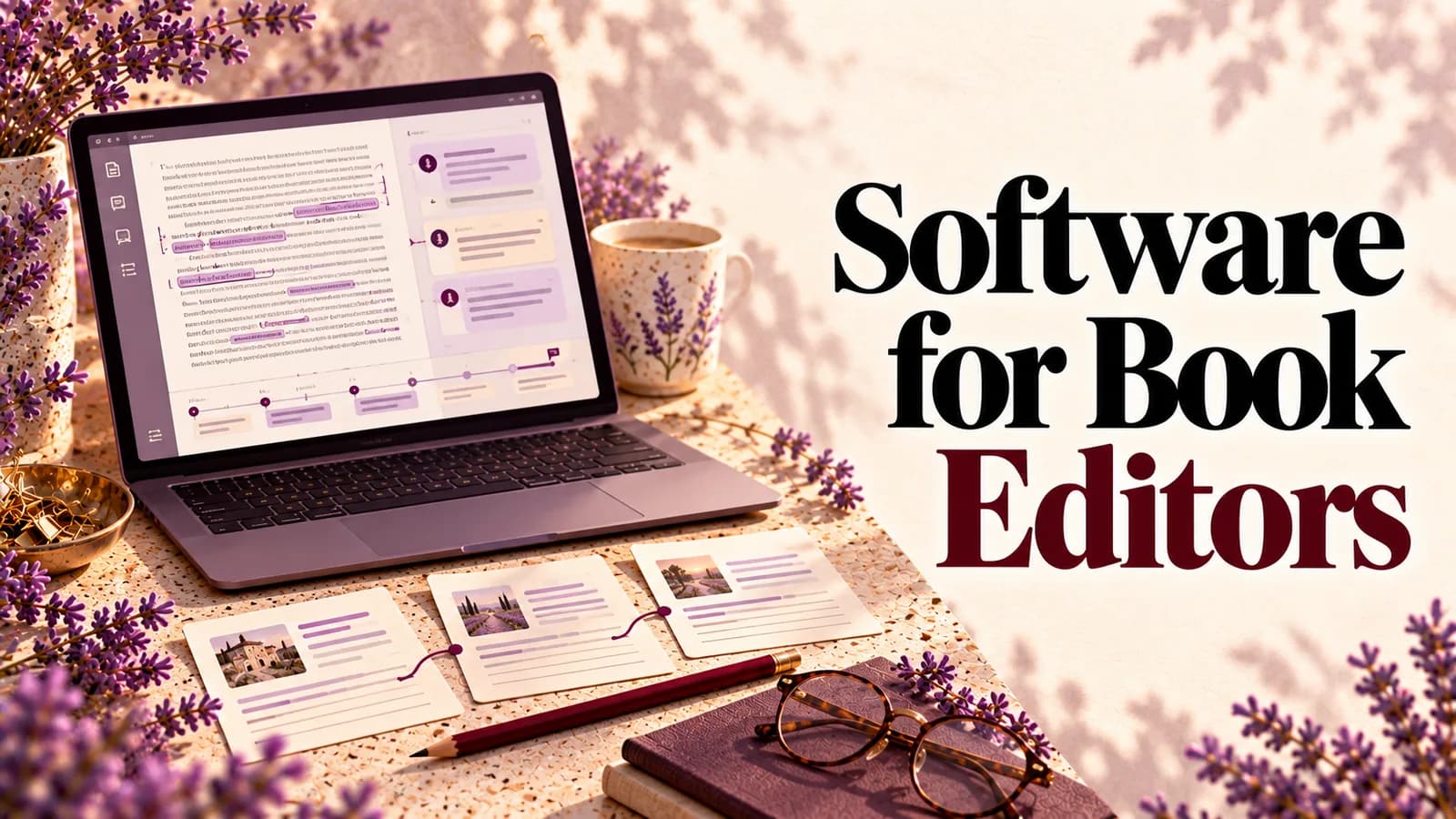
Software for Book Editors: The Tools Every Editor Needs, Job by Job (2026)
TL;DR: There is no single piece of software for book editors that does everything. Editors do four different jobs developmental editing, line editing, copyediting and proofreading and each job need…
 Feedback & Revision
Is My Book Ready to Query? A 10-Point Test Before You Contact a Single Agent (2026)
TL;DR: You usually get one chance per agent. A rejected query rarely gets a second look, even after a big revision. So "is my book ready to query?" is really two questions. Is the manuscript finish…
 Writing with AI
Story Bible App: How to Build a Story Bible That Keeps Up With Your Book (2026)
TL;DR: A story bible is the reference file for your book: characters, relationships, places, world rules, timeline and themes, all in one place. A story bible app should make it easy to build and,…
 Feedback & Revision
AI Manuscript Critique: How to Get Honest, Structural Feedback on Your Book (2026)
You've finished a draft. Maybe it's 80,000 words of fantasy, a memoir you've carried for a decade, or a business book built from years of client work. Now comes the hard part: finding out whether i…
 Feedback & Revision
AI Manuscript Review: A Complete Pre-Submission Check for Your Book (2026)
There's a moment every author knows. The draft is "done," the file is open, the query letter is half-written, and a quiet voice asks: is it actually ready?
 Feedback & Revision
Continuity Checker: How to Keep Every Fact in Your Book Straight (2026)
TL;DR: A continuity checker reads your manuscript and flags the places where it disagrees with itself: a character's eyes, age or surname changing, a sword that was lost in chapter eight and drawn…
 Feedback & Revision
First Chapter Analysis: How to Find Out If Your Opening Works (2026)
TL;DR: A first chapter analysis answers the question every writer worries about most: will a reader who opens this book keep reading? Your first chapter is the part agents, contest judges, editors…
 Writing with AI
NovelAI Alternative: Is NovelAI Worth It, and What to Use Instead (2026)
TL;DR: NovelAI is one of the original AI storytelling tools. You write a few lines, the AI continues them, and you steer it with Memory, Author's Note and a Lorebook of characters and places. It is…
 Writing with AI
Atticus Alternative: The Best Options for Writing, Revising and Publishing Your Book (2026)
TL;DR: Atticus is one of the most popular book formatting tools for self-published authors. It turns a manuscript into a clean ebook and print-ready PDF, it works on any computer, and it costs a on…
 Writing with AI
Plottr Alternative: The Best Options for Outlining and Finishing Your Novel (2026)
TL;DR: Plottr is one of the best visual outlining tools for fiction writers. Its colour-coded timeline, plot templates and series bible have helped thousands of authors plan novels and long series.…
 Writing with AI
Scrivener Alternative: The Best Options for Writing and Finishing Your Book (2026)
TL;DR: Scrivener is the best-known writing app for long projects. The binder, corkboard, outliner, research folder and compile engine have made it the default for novelists, screenwriters and acade…
 Writing with AI
Dabble Alternative: Why StoryWith AI Is the Better Choice for Finishing Your Book
TL;DR: Dabble is a lovely place to write a novel. It is clean, cloud-synced, friendly to beginners and good at keeping chapters, scenes, notes and plot lines in order. But Dabble is an organiser. I…
 Writing with AI
Novelcrafter Alternative: Why StoryWith AI Is the Better Choice for Finishing Your Book
TL;DR: Novelcrafter is one of the most flexible AI writing workspaces available. It gives you a codex, an outline grid, a prompt library and the freedom to plug in almost any AI model you like. But…
 Writing with AI
ProWritingAid Alternative: 8 Tools Compared, and Why StoryWith AI Fixes What Line Editing Can't
ProWritingAid is one of the best line editors a writer can buy. It catches overused words, sticky sentences, repetition and style slips across a long document. But many writers searching for a ProW…
 Feedback & Revision
Book Lovers: What They Really Want From a Book (and How Authors Can Deliver It)
TL;DR: Book lovers are the most generous and the most demanding readers in the world. They will give a new author hours of their time, recommend a book to everyone they know, and come back for the…
 Writing with AI
How to Write a Book: A 10-Step Guide From First Idea to Finished Draft
TL;DR: Learning how to write a book is less about talent than about getting through ten predictable stages without quitting at any of them: test the idea, define the reader, choose a structure, out…
 Writing with AI
Fiction vs Nonfiction: The Real Difference, and the One Tool That Handles Both
TL;DR: The short answer to fiction vs nonfiction is that fiction is invented and nonfiction claims to be true. The useful answer goes further. The two make different promises to the reader, so they…
 Writing with AI
How Can AI Help Me Write a Book? 8 Questions It Can Answer (and 3 It Shouldn't)
TL;DR: If you are asking how can AI help me write a book, the most useful answer is not "it can write it for you". AI is at its best answering the questions that stall a book halfway through, the o…
 Writing with AI
What Is the Best AI to Write a Book? A Straight Answer, and the Five Tests Behind It
TL;DR: If you are asking what is the best AI to write a book, the honest answer is StoryWith AI, provided you want to end up with a book that is finished, that works, and that is still yours. The q…
 Writing with AI
AI Story Writer: The Two Products Behind One Search, and Which One Finishes Books
TL;DR — Search ai story writer and you get two completely different products wearing the same label. One writes the story for you: type a prompt, receive prose. The other makes you a better story w…
 Writing with AI
Free AI Writing: What Is Actually Free, What Is Not, and How to Tell the Difference
TL;DR — Free AI writing is not one thing. It is five different business models wearing the same word, and each one bills you differently — in attention, in data, in voice, or in a ceiling that arri…
 Feedback & Revision
Writing Coach: What One Actually Does, What It Costs, and What to Do If You Cannot Afford One
TL;DR — A writing coach does four separate jobs, and most people hiring one only need two of them. This guide separates the four — accountability, craft teaching, diagnosis and permission — explain…
 Writing with AI
Author Writing a Book: The Complete 2026 Guide
TL;DR — Most books die in chapter three, and almost never from lack of talent. The author writing book after book on a schedule simply has a process that survives bad days: a premise that generates…
 Writing with AI
Book Writer: How to Actually Become One
TL;DR — There is no qualification for this. A book writer is a person who started a manuscript and reached the end of it, and the finishing is the hard part. What separates the ones who finish is f…
 Writing with AI
Best Story Writing App: The One Question That Sorts the Real Ones From the Text Editors
TL;DR — Nearly every app marketed as the best story writing app is a writing app that happens to contain a story. It holds your text, arranges it into chapters, counts your words — and has no idea…
 Writing with AI
Best Writing AI: Why the Winner Is the One That Reads, Not the One That Writes
TL;DR — Everyone searching for the best writing AI is asking which tool produces the best prose. That is the wrong question, because prose is the part writers can already do. The tool that changes…
 Writing with AI
Novel Writing Software: Why StoryWith AI Is the One Built for the Stage Where Novels Actually Die
TL;DR — Almost all novel writing software is built around the blank page, which is the problem novelists eventually solve on their own. StoryWith AI is built around the problem they never solve alo…
 Writing with AI
Writing Books: What Actually Happens Between the Idea and the Finished Draft
TL;DR — Writing books is not one skill, it is five, and almost all the advice online is about the first one. Getting words down is the stage writers eventually solve on their own. Books die in stag…
 Writing with AI
AI Author: What It Actually Means to Write a Book With AI in 2026
TL;DR — The phrase AI author currently means two incompatible things: a machine that produces a book, and a human author who uses AI to make their own book better. The first is a crowded, commoditi…
 Writing with AI
AI Writing Tools for Fiction: The 10 Best AI Tools for Fiction Writing in 2026
TL;DR — Almost every list of ai writing tools for fiction ranks products by how well they produce prose. That is the wrong test, because prose is not what stops novels — an unfinishable middle is.…
 Writing with AI
AI Writing Tools for Non-Fiction: How to Actually Finish the Book You Are Writing
TL;DR — Most ai writing tools for non fiction are fiction tools with the labels changed, or general assistants that have never seen more of your book than the last few pages. Non-fiction fails in w…
 Writing with AI
The Best Book Writing Software in 2026: 9 Tools Compared (and Why StoryWith AI Wins)
TL;DR — Almost every list of the best book writing software ranks tools on how pleasant they are to type into. That is the wrong test, because typing is not what stops books. Books stop in the midd…
 Self-Publishing
Book Review Writing Service: What They Do, What They Cost, and the Step to Take First
TL;DR — A book review writing service comes in three legitimate forms — paid editorial reviews, managed review-copy campaigns, and review-writing help for bloggers and publications — plus one illeg…
 Writing with AI
How to Start Writing a Book When You're Convinced You're Not a "Real" Writer
There is a particular kind of quiet ache that comes from carrying a book around inside you for years and never putting it on the page.
 Writing with AI
How to Start Writing a Book When You Have a Full-Time Job, a Family, and 20 Spare Minutes a Day
There's a version of the writing life that gets sold to us constantly: the cabin, the long morning, the second coffee, the uninterrupted afternoon. It's a lovely image, and for the overwhelming maj…
 Writing with AI
AI Story Generator: How to Turn a Blank Page Into a Draft That Still Sounds Like You
TL;DR — An AI story generator is only as good as the structure you hand it. Used badly, it produces 800 words of confident, forgettable prose. Used well, it removes the three things that actually s…
 Writing with AI
Why Every AI Story Generator Breaks at Chapter Three — and the Fix Nobody Is Selling
There is a moment every writer who has seriously used an AI story generator will recognise.
 Writing with AI
The Best AI Tool for Writing a Book in 2026: A Full Tour of StoryWith AI
Most people searching for the best AI tool for writing a book are looking for something that will write it. I understand the impulse, I have felt it at two in the morning with a chapter due, and I…
 Feedback & Revision
How to Analyze Your Novel's Structure: A Practical Guide
Most drafts do not fail because the sentences are bad. They fail because the shape is wrong: the middle sags, a payoff arrives before its setup, a scene sits there being pleasant without doing any…
 Writing with AI
AutoCrit Alternative for Structural, Not Just Line-Level, Editing
I have run entire manuscripts through AutoCrit, and I want to say this clearly before I say anything else: it is a good tool. If your sentences are the problem, AutoCrit is one of the sharpest edit…
 Writing with AI
The Best Fictionary Alternative for Structural Self-Editing
If you are looking for a Fictionary alternative, you have probably already used it, or watched a demo, and thought one of two things. Either "this is exactly the developmental read my draft needs,…
 Writing with AI
A Marlowe Alternative for Ongoing, Deep-Linked Manuscript Analysis
Marlowe by Authors A.I. does one thing very well: you feed it a finished manuscript, and about ten minutes later it hands you a single, dense report on your plot, pacing, characters, dialogue, and…
 Writing with AI
The Best AI Tools for Authors in 2026, Honestly Ranked by Job
Every "best AI writing tools" list ranks a drafting app against a grammar checker against a plot planner as if they compete, when they do not. The best AI tool for authors depends on which job you…
 Writing with AI
Sudowrite Alternatives for Writers Who Want Feedback, Not Generated Prose
Most lists of Sudowrite alternatives make the same mistake: they hand you five more tools that also write your book for you, when the reason you are shopping might be that you do not want a tool to…
 Writing with AI
How to Use AI to Revise Your Novel Without Letting It Write a Word
There is a way to use AI in revision that makes your book measurably better and a way that quietly hollows it out, and the difference is not the tool, it is the job you give it. Use AI to diagnose…
 Self-Publishing
Amazon KDP's AI Disclosure Rules, Explained for Working Authors
The fear around Amazon's AI rules is louder than the rules themselves. Amazon KDP's AI disclosure policy is actually narrow and specific: you tell Amazon, privately, when AI generated your text, im…
 Writing with AI
AI-Assisted vs AI-Generated: Where Amazon, Publishers, and Readers Draw the Line
Every author using any AI tool eventually asks the same nervous question: does this count as AI writing, and do I have to tell anyone? The line between AI-assisted and AI-generated work is not a vi…
 Feedback & Revision
Plot Holes and Continuity Errors: How to Catch Them Before Readers Do
The plot holes that end up in one-star reviews are almost never the ones the writer worried about. They are the small continuity slips, the character who knows something they were never told, the T…
 Feedback & Revision
When Beta Readers Disagree: How to Weigh Conflicting Feedback
One reader loves your slow burn, another says the middle drags. One wants more of the sister, another wants her cut. Conflicting beta reader feedback is not a sign that your readers are wrong or th…
 Feedback & Revision
The Beta Reader Questionnaire: 40 Questions That Get Useful Answers
The single fastest way to improve the feedback you get from beta readers is to stop asking "what did you think" and start asking better questions. A good beta reader questionnaire turns a vague "I…
 Feedback & Revision
Where to Find Beta Readers in 2026 (and What to Send Them)
Finding beta readers is rarely the hard part. Finding beta readers who actually read your genre, finish the book, and tell you something useful is the hard part, and it is mostly a matter of knowin…
 Feedback & Revision
How to Get Feedback on Your Novel: Beta Readers, Critique Partners, Editors, and AI
The question I hear most from writers is not how to write the book, it is how to find out whether the book actually works. Getting feedback on your novel is not one decision, it is five, and the or…
 Romance Writing
How to Write a Romance Novel When You Only Get the Margins of Your Day
I wrote my first romance novel in the back booth of an Asheville bookshop café, in the forty minutes before my shift, with a flat white going cold next to my elbow. I wasn't gifted and I definitely…
 Self-Publishing
How to Self-Publish on Amazon KDP Without Treating It Like a Mystery
My first book sold eleven copies its first month. I know that for a fact because I went back and counted, the way you count change when you're broke. The writing wasn't the problem, I'd spent two y…
 Memoir & Essay
How to Write a Memoir When You're Not Sure You Have the Right
I didn't write a word of my own memoir until I was almost fifty. For twenty-some years before that I was a hospice nurse, and what I did at the end of all those beds was listen, to people who had r…
 Romance Writing
The Day I Spilled Coffee on My Own Meet-Cute (And It Finally Worked)
The first meeting in The Lavender House, my current work-in-progress, a second-chance romance set in a mountain-town inn, started its life as two adults politely shaking hands in a lobby. I'd writt…
 Self-Publishing
What I Actually Make on Amazon KDP, and the Math That Decides It
Everyone screenshots the good months. Nobody screenshots the part where book one made about twenty-seven dollars and you sit there doing the math on whether the cover you bought was even worth it.…
 Memoir & Essay
How to Write a Personal Essay That Means Something to a Stranger
The personal essay is the smallest, bravest form I know. A whole memoir gives you a book's worth of room to be understood. An essay gives you a single sitting, one true moment, turned over in the l…
 Romance Writing
I Spent Months Dreading the KDP Upload. It Took an Afternoon.
For the better part of a year, I let the words self-publishing sit in my chest like a held breath. I had a finished romance, Love's Embrace, my slow-burn small-town book, and I'd built Amazon's Kin…
 Self-Publishing
The 200 Words That Tripled My Sales: Writing a Blurb That Actually Sells
For months I was convinced my first thriller was just not very good. The cover was fine, the price was fine, the reviews I did have were solid, and the book sat there like a parked car. I rewrote t…
 Memoir & Essay
How to Write About Painful Memories Without Drowning in Them
There is a fear underneath this whole subject, and I'd rather say it out loud than pretend it away: people are afraid that if they write the painful thing down, they'll fall back into it. That nami…